
✨ Last Updated on December 29th, 2025 by SuperGuardZ Editorial Team
Hairline scratches on your case or screen can ruin a clean look. Self-healing TPU promises to make those marks fade on their own. Does it work? Yes for light scuffs, not for deep cuts or cracks.
Here’s the simple truth. TPU, a flexible plastic, has polymer chains that shift and relax. With a bit of time and warmth, those chains flow and close tiny surface marks. Thicker self-healing layers work better, while cold temps slow results.
You’ll see the best results with micro-scratches from keys, coins, or grit. Sharp gouges will still show, and impact damage won’t fix itself. Tempered glass blocks damage but doesn’t heal. TPU trades some hardness for real scratch recovery.
There’s real science behind this, not hype. Makers tune layer thickness and chemistry to speed self-repair. Some newer films add stacked layers to boost clarity and healing. You get a smooth touch, high clarity, and fewer long-term scuffs.
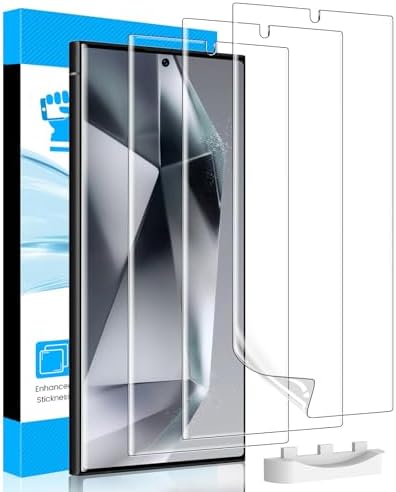
If you want a quick example, check a recommended self-healing TPU option in this guide to the self-healing TPU screen protector for Pixel 8 Pro. It shows how flexible films balance scratch recovery with daily usability.
In this post, you’ll learn what self-healing TPU is and how it works. We’ll cover what it can and can’t fix, how fast it heals, and how it compares to glass. You’ll also see buying tips, real-world use cases, and care advice so you pick the right film and get the most from it.
What Is Self-Healing TPU and Why Choose It for Everyday Protection?
Self-healing TPU is a flexible film made from thermoplastic polyurethane that fixes small scratches on its own. The material uses special bonds that relax and reconnect, so tiny marks fade with time. You see it in screen protectors, wraps, and slim cases. It is a smart pick if you want your gear to look newer for longer without constant swaps.
Think of TPU as a tough, bendy plastic that snaps back when pressed. Add a self-healing top layer, and it not only resists scuffs, it softens and smooths them out. That means fewer swirl marks from keys, grit, and desk slides. It is not magic. Deep gouges and chips will still show. But for daily wear, it keeps surfaces clean and glossy.
Here is what you gain in day-to-day use:
- Long-term value: Fewer replacements and less waste from worn films.
- Everyday toughness: Flexible protection that absorbs light scratches.
- Better look over time: Micro-scratches fade, so clarity stays high.
- Comfort and feel: Soft touch with strong grip, no sharp edges.
Compared to hard plastic or glass, self-healing TPU trades a bit of hardness for real recovery. Tempered glass blocks scratches but does not fix them. Standard TPU resists marks but does not smooth them out. Self-healing TPU hits a sweet spot for people who want protection that keeps working after small hits.
For readers who enjoy the science side, modern reviews of self-healing polymers explain how dynamic bonds reset after light damage, often at room temperature. See this helpful overview of polymer self-repair in the open-access review on self-healing polymeric materials from the National Library of Medicine’s archive, which outlines the core mechanisms and benefits of these materials in practical products: Properties and Applications of Self-Healing Polymeric Materials. For a broader summary of how these systems work across many plastics, this concise reference covers key concepts and types: Self-Healing Polymer – an overview.


The Basic Science Behind Self-Healing Materials
Picture a surface that remembers its shape. When a scratch presses into it, tiny bonds inside loosen, then link back up and pull the surface closed. In self-healing TPU, many of those links are hydrogen bonds. They are like strong magnets that can let go under stress, then snap back together once the stress is gone.
Here is how it plays out:
- A light scratch bends the polymer chains and breaks some weak links near the surface.
- At room temperature, or with mild heat from your pocket or hand, the chains relax.
- Those hydrogen bonds reconnect, the chains shift, and the ridge smooths out.
You do not need a heat gun. Normal body warmth often helps speed things up. A sunny dash or warm room can also boost recovery, but the material still works in typical indoor settings.
Why this matters for daily use:
- Faster recovery of micro-scuffs keeps your device looking clean.
- Less haze over time, since small marks do not build up.
- Stronger over months, because flexible chains spread stress instead of cracking.
A simple way to think about it: your phone film acts like skin for your device. Small marks close up, and the surface evens out again. You get a smoother look today and a fresher look next month.
How Self-Healing TPU Fixes Scratches Step by Step
Self-healing TPU turns light scuffs into a short story, not a permanent mark. The magic is in how its polymer chains move, reconnect, and smooth the surface with time and warmth. You do not need tools. Normal use, a little heat from your hand, and patience do most of the work.
- Scratch forms: A key rub or grit creates a shallow groove. Weak hydrogen bonds at the surface break, and chains shift out of place.
- Material flows: The TPU relaxes. Chains slide and stretch to fill the gap, like warm rubber easing back into shape.
- Bonds reform: As the surface levels, hydrogen bonds reconnect across the scratch, locking the top layer smooth again.
- Finish and blend: In a warm pocket or sunny room, tiny lines fade in minutes. In cooler settings, it can take an hour or two.
Real-world example: you pull your phone from a bag and spot a faint line on a TPU screen protector. Keep using the phone. Your grip adds mild heat, and the line fades during your commute. That is normal for micro-scratches. Lab data backs this up, with research showing fast recovery for shallow marks under mild heat and repeated healing across cycles. For a technical overview of how surface scratches regenerate, see this review of self-healing polymers for surface scratch regeneration. Early 2026 work on TPU elastomers also supports strong intrinsic healing when warmed, even with fillers like nanoclay that improve strength without killing recovery, as discussed in this study on mechanical-healing behavior of self-healing TPU.
Bottom line: tiny scuffs can fade on their own. Deeper cuts still show, but even partial smoothing reduces glare and keeps surfaces looking clean.
Factors That Affect Healing Speed and Success
Several factors decide how fast and how well TPU heals. Set expectations around these, and you will be happy with the results.
- Scratch depth: Minor surface marks heal best. Shallow lines from keys or coins often recover most of their gloss. Deep gouges stretch chains too far, so they only soften, not vanish.
- Time: Micro-scratches can fade in 5 to 30 minutes at room temperature. Cooler rooms slow things down, sometimes to a few hours.
- Heat: Warmth speeds healing. Hand heat, a warm pocket, or a sunny windowsill raises chain mobility and helps bonds reform. Lab tests show fast closure at moderate temperatures, with some TPU samples healing within minutes when warmed to safe levels for films and cases.
- Material design: Thicker self-healing top coats and richer hydrogen-bond networks improve recovery. Newer TPU blends balance clarity, grip, and fast healing under mild heat. In 2026 studies, researchers report high recovery for shallow marks and repeatable healing cycles under practical conditions, like gentle warming or light activation. For broader polyurethane data that echoes these gains, see this 2026 open-access work on self-healing polyurethane nanocomposites.
Set a clear line in your mind. Expect strong results for micro-scratches, often approaching full fade with warmth. Expect partial fixes for deeper cuts. In daily use, that means fewer swirl marks, better clarity over time, and less urge to swap protectors or cases.
Real Products Using Self-Healing TPU: Do They Deliver?
Self-healing TPU is not just lab talk. You can buy it today in phone cases, screen films, and full car paint protection films. In day-to-day use, it cuts visible wear, keeps gear looking clean, and reduces replacements. For most light scuffs, it works. For sharp cuts, you will see limits. The payoff is a device that stays fresh longer and costs you less over time.
Self-Healing TPU in Action: User Stories and Tests
Real users report quick fade on micro-scratches from pockets, bags, and keys. After a short commute or a warm hand hold, tiny lines soften and blends return. In side-by-side tests with regular TPU, the difference is clear. Standard TPU keeps the scratch. Self-healing TPU mutes it, often to near invisible.
Here is what shows up across 2026 reviews and hands-on tests:
- Daily carry marks fade fast. Light scuffs after a pocket with keys often smooth out in 10 to 60 minutes at room temp.
- Warmth helps. A warm pocket speeds recovery and brings back gloss.
- Deep cuts remain. Sharp grit or a hard edge can leave a mark. The surface may soften the line, but it will not vanish.
- Clarity holds up. Less haze builds over months since small marks do not stack.
Brands bring it to life in different ways:
- Mous leans into durable clear finishes. Owner feedback highlights strong scratch resistance and long-term clarity, with high ratings on its lineup. See real comments on the Mous customer reviews page.
- Lander cases focus on grip and practical protection. Users note fewer swirl marks on glossy backs after weeks of use, with edges and buttons staying clean and tight. The experience is consistent across recent Torrey models.
Automotive-grade TPU films push the idea even further. Many leading paint protection films promise quick self-healing, strong gloss, and long-term clarity. Trusted installers cite 7 to 10 years of durability on cars that see real road grit, with self-healing helping the finish stay smooth. Industry roundups rank brands like XPEL and LLumar high for fast scratch recovery and clean looks, as summarized in this review of top self-healing paint protection films.
Why it is worth trying:
- You extend the life of your gear and your paint. Fewer replacements save money.
- Your phone and car stay presentable longer. That protects resale value.
- Maintenance stays simple. Small marks fade without tools or extra steps.
Bottom line, you get real benefits you can see. Self-healing TPU shines with micro-scratches, keeps surfaces clear, and pays off over time. Regular TPU cannot match that recovery.
Self-Healing TPU vs. Regular TPU: Pros, Cons, and the Verdict
You want protection that stays clear and looks fresh. Self-healing TPU and regular TPU both guard against daily wear, but they do not perform the same. Here is how they stack up when scratches, cost, and feel all matter.

Quick Comparison
| Feature | Self-Healing TPU | Regular TPU |
|---|---|---|
| Healing ability | Fades micro-scratches with time and warmth | Scratches stay visible |
| Cost | Higher upfront price | Lower cost |
| Flexibility | Soft, grippy, form-fitting | Flexible, often slightly firmer |
| Real-world use | Looks newer longer with fewer swirl marks | Shows wear faster over months |
For a primer on TPU’s behavior in screen protectors, this overview covers flexibility, scratch resistance, and general trade-offs: Thermoplastic Polyurethane vs. Tempered Glass Screen Protectors. You will also find a practical breakdown of protector types and what they handle best in this guide: 3 Types of Screen Protectors: Pros & Cons.
Pros and Cons of Self-Healing TPU
- Pros
- Auto-repair of micro-scratches, so haze builds up more slowly.
- Longer life in daily carry, which means fewer replacements.
- Better long-term clarity, since swirl marks fade with warmth.
- Cons
- Higher price than standard TPU.
- Needs mild heat or time to smooth faint lines.
Pros and Cons of Regular TPU
- Pros
- Lower cost and easy to find.
- Decent scratch resistance for casual use.
- Cons
- Scratches persist, so surfaces dull over time.
- Shorter refresh cycle, which can mean more swaps.
The Verdict
Self-healing TPU is real tech for minor fixes, not hype. It will not erase deep cuts, but it does smooth light scuffs that make devices look tired. If you want your phone or tablet to hold a clean look for longer, self-healing TPU earns its keep. The extra spend pays back in clarity and fewer replacements. For smart buyers who care about protecting valuables, it beats regular options by keeping surfaces fresher, month after month.
Conclusion
Self-healing TPU is not hype, it is proven chemistry at work. The material closes light scratches, keeps surfaces clear, and cuts down on replacements. You get a cleaner look over time, strong touch response, and protection that keeps paying for itself.
If you want fewer swirl marks and better resale value, choose a film or case with a self-healing top coat. It shines for daily wear, from pocket grit to desk rubs, and it recovers fast with mild warmth. For a quick buyer’s guide on how TPU fits different needs, compare options in this breakdown of Privacy vs. Clear Screen Protectors: Making the Right Choice.
Make your next upgrade a smart one. Pick a self-healing TPU protector or case for your main device, then see how it looks after a week of use. Share your results and tips, or ask for recommendations for your phone model. Thanks for reading, and here is to gear that stays fresh longer, with less hassle and better value.
FAQs
1. What is self-healing TPU?
Self-healing TPU (Thermoplastic Polyurethane) is a flexible, polymer-based material designed to automatically repair minor surface scratches. It uses elastic memory technology that allows the material to return to its original shape when exposed to pressure, heat, or natural elasticity.
2. How does self-healing TPU actually work?
Self-healing TPU relies on micro-elastic polymers. When small abrasions appear, the material expands and contracts, gradually smoothing out minor marks. Some advanced formulas in 2026 also use heat-activated coatings for faster recovery.
3. Can self-healing TPU really fix scratches?
Yes, but only to a certain extent. Self-healing TPU can repair light scratches, swirl marks, and fingernail scuffs. It cannot fully fix deep cuts, sharp object damage, or cracks.
4. Is self-healing TPU better than tempered glass?
It depends on your priority. TPU offers flexibility, self-healing properties, and edge-to-edge coverage. Tempered glass provides stronger impact protection and a more rigid, glass-like touch. Many users combine TPU for curved phones and tempered glass for flat screens.
5. How long does it take for the TPU film to heal scratches?
Minor scratches can heal within minutes to a few hours. More noticeable marks may require up to 24–48 hours, depending on the environmental temperature and the TPU’s formulation.
6. Does self-healing TPU affect touch sensitivity or screen clarity?
High-quality self-healing TPU films in 2026 are nearly transparent and maintain excellent touch sensitivity. However, lower-grade TPU can introduce slight texture or mild orange-peel effects on the screen.
7. Is self-healing TPU durable for daily use?
Yes. TPU films are highly flexible, shock-absorbent, and resistant to micro-scratches. They perform well for everyday handling, but they may not protect against severe drops like tempered glass.
8. Can self-healing TPU repair deep scratches or dents?
No. Deep scratches that penetrate the material itself cannot fully self-heal. The technology is designed only for surface-level abrasion removal.
9. Is self-healing TPU worth buying in 2026?
Self-healing TPU is worth it if you want a smooth, scratch-free screen without frequently replacing protectors. It’s especially useful for curved phones like Samsung Galaxy, Pixel, OnePlus, and other devices where glass protectors may not fit perfectly.
10. How long does a self-healing TPU screen protector last?
Most high-quality TPU protectors last 6–12 months, depending on usage, heat exposure, and handling habits. Over time, they may lose some clarity or sensitivity, prompting replacement.
11. Does heat help TPU heal faster?
Yes. Moderate warmth accelerates the self-healing process. Leaving the device in a warm environment (not hot enough to damage the phone) helps micro-scratches disappear more quickly.
12. Can I use a case with self-healing TPU protectors?
Absolutely. TPU films are case-friendly because they are thin and flexible. They do not lift or crack when used with most smartphone cases.


