

Tired of a Greasy Screen? You’re Not Alone
You pull out your phone and the screen looks like a grimy mess. Fingerprint smudges, skin oils, and that sticky feel make the display hard to read and unpleasant to touch. It’s a nearly universal frustration — and it happens because of the way your skin’s natural oils interact with the glass surface.
This article breaks down exactly what causes oily screen protectors, how special coatings work to repel smudges, and what you can do to keep your display clean and smooth. Whether you have oily skin, spend a lot of time outdoors, or just want a protector that stays clear longer, the tips here will help. SuperGuardZ offers a range of screen protectors designed to minimize oil buildup and make cleaning easier.
The Science Behind Oily Fingerprints
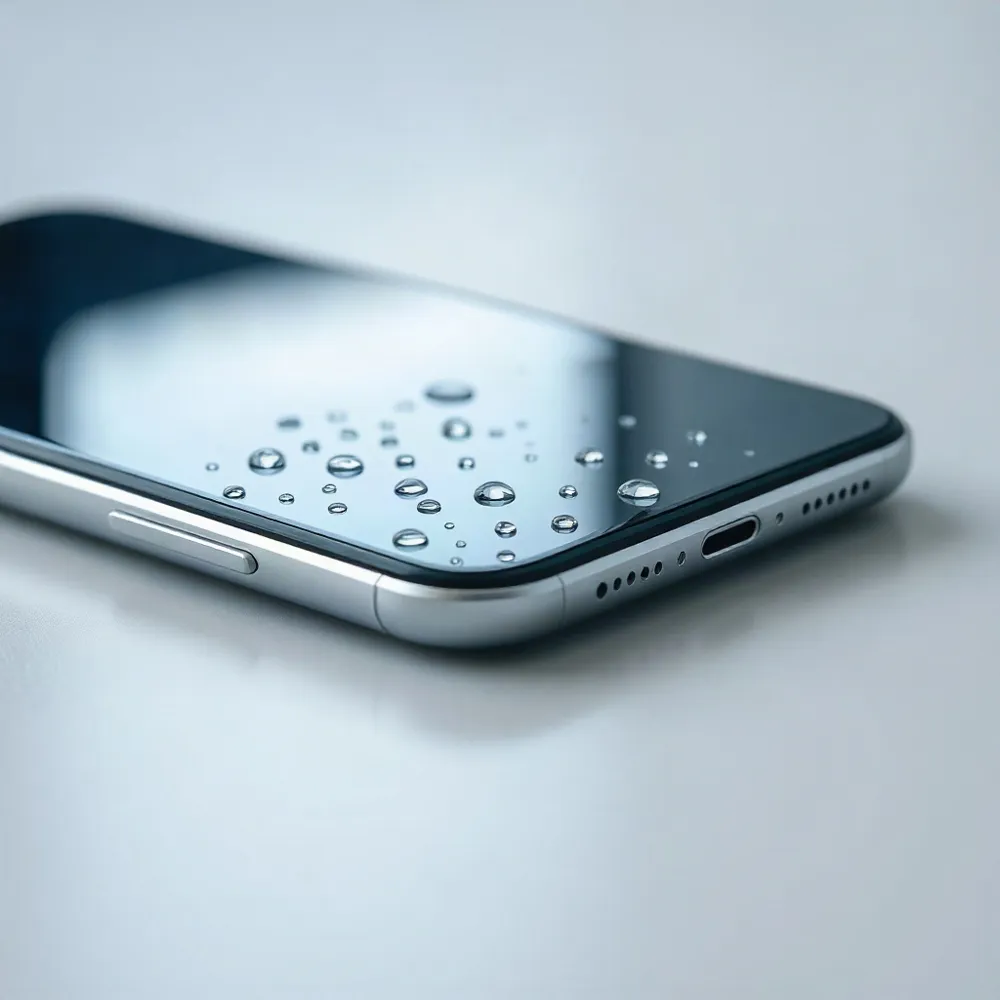
Every time you touch your phone, you transfer a complex mix of skin oils called sebum onto the screen. Sebum is made up of fatty acids, wax esters, and squalene — the same compounds that keep your skin moisturized. On a bare glass surface, these oils spread out and create those hazy smudges you see under bright light.
That’s where the oleophobic coating comes in. It’s an ultra-thin layer — usually 5 to 10 nanometers thick — made from fluorinated polymers that lower the surface energy of the glass. Instead of spreading flat, a fingerprint’s oil beads up into tiny droplets that sit on top of the coating. A quick wipe with a microfiber cloth is enough to remove them.
But this coating wears down over time. Every swipe, every pocket rub, and every cleaning session gradually erodes it. The average person unlocks their phone 100 to 150 times a day and taps the screen over 2,600 times daily. After a few months of regular use, the coating’s performance drops, and oils start sticking more stubbornly. That’s when your screen starts looking greasy all the time.
What Is Oleophobic Coating and Why It Matters
Oleophobic coating is the thin, invisible layer on your phone screen that repels fingerprints. It uses special materials to keep the natural oils from your fingers from sticking, so smudges wipe away easily. Without this coating, your screen would quickly become a greasy mess.
Factory coatings can wear off over time, which is why a dedicated screen protector with a built-in oleophobic layer is a smart long-term solution. SuperGuardZ protectors come with a durable oleophobic coating right from the start, helping you keep your display clear and easy to clean every day.
What Ruins the Oleophobic Coating?
The oleophobic coating on your screen is tough, but it’s not invincible. The fastest way to destroy it is with harsh chemicals. High-concentration isopropyl alcohol wipes and abrasive cleaners dissolve the protective layer that makes the coating work, leaving your screen feeling sticky and prone to smudges. Even hand sanitizers, which contain alcohol, can strip the coating over time.
Everyday friction also takes a toll. The average person unlocks their phone 100 to 150 times a day and taps the screen over 2,600 times. Constant contact with pockets, purses, and your own fingers slowly wears the coating down. Heat from direct sunlight or a phone that runs hot can accelerate this process. Skin oils themselves can wear down the coating, reducing touch sensitivity and leaving permanent ‘dead spots’ in display clarity.
The best way to protect the original coating is to use a screen protector that has its own oleophobic layer. When that coating wears out, you simply replace the protector instead of your phone’s screen. SuperGuardZ tempered-glass protectors come with a durable, oil-repelling layer that keeps your display looking fresh, and they’re easy to swap when the time comes.
How to Prevent an Oily Screen Protector
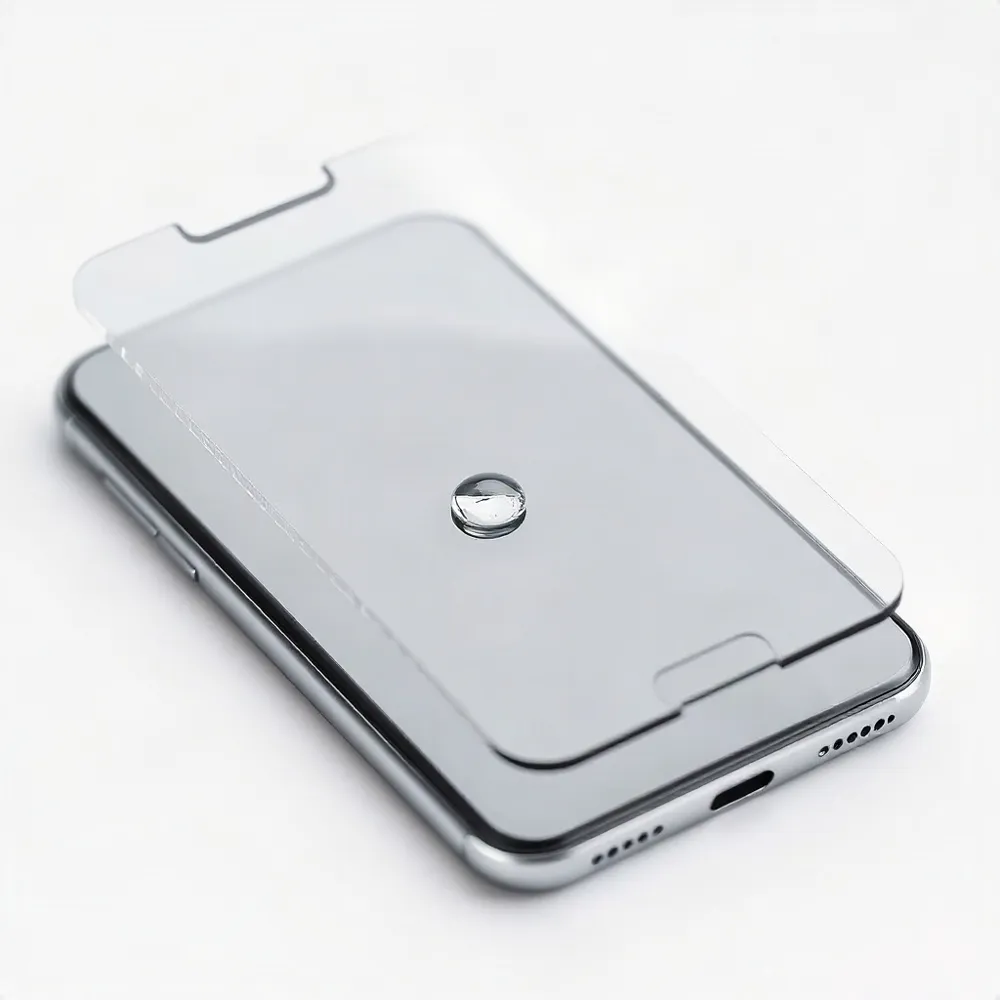
Stopping oil before it reaches your screen is the most effective strategy. Start by washing your hands before using your phone. Natural skin oils are the main cause of smudges, and a quick wash removes them before they transfer to the display.
Choosing the right screen protector makes a big difference. Look for one with a strong oil-repellent coating — the same technology found on factory phone screens. Protectors from SuperGuardZ use durable coatings that repel oil on contact, making fingerprints bead up and wipe away easily, keeping your screen clear and looking great. This layer typically lasts 3 to 6 months.
When cleaning is needed, always use a microfiber cloth. A dry cloth is usually enough for light smudges, and a drop of water handles tougher marks. Avoid harsh chemicals like high-concentration isopropyl alcohol or household cleaners, as they can dissolve the oil-repellent coating and leave the screen sticky.
For an older screen protector that has lost its slick feel, consider applying an oil-repellent coating spray. These DIY kits can temporarily restore oil resistance, though they won’t match the durability of the original factory coating.
Keep your phone in a clean pocket or a case that covers the screen. Dust and lint can trap oils against the surface, making smudges harder to clean. A quick wipe with a microfiber cloth at the end of each day also prevents buildup and keeps the protector looking fresh.
Matte vs. Glossy: Which Fights Oil Better?
Matte vs. Glossy: Which Fights Oil Better?
Matte screen protectors use a fine surface texture that scatters light, making fingerprints and oily marks much less visible. For anyone frustrated by constant smudges, this finish is the clear winner in the fight against oil.
Glossy protectors offer the highest color accuracy and sharpness, but they don’t hide skin oils at all. Every fingerprint shows up clearly, so you’ll need to wipe your screen often to keep it looking clean. Today’s high-definition matte protectors use a refined surface pattern that keeps images crisp and clear while giving you a smooth, paper-like feel.
Matte finishes also reduce the sticky feeling you often get on oily glossy screens, and they cut glare in bright offices or outdoor settings. That means you can read your screen without turning up the brightness, which saves battery and reduces eye strain. A quick wipe with a microfiber cloth is all it takes to keep a matte protector looking fresh.
For shoppers who prioritize a smudge-free experience over maximum clarity, a matte protector from SuperGuardZ offers the perfect balance of style and practicality.
Why Your Matte Protector Can Still Look Greasy
Why Your Matte Protector Can Still Look Greasy
Your matte screen protector is designed to diffuse light and hide fingerprints, but it can still develop a greasy look. The culprit is the protector’s micro-textured surface, which scatters light but also provides tiny pockets where skin oils can settle.
Like any other screen protector, a matte film relies on an oleophobic coating to repel oils. Over months of use, that coating wears down from daily swipes and pocket friction. Once the coating degrades, oils start bonding directly to the surface instead of beading up.
Harsh cleaners speed up this process. High-concentration isopropyl alcohol wipes can dissolve the protective coating, stripping it faster and leaving the protector feeling sticky. The safer approach is a dry microfiber cloth; a gentle wipe usually restores clarity without damaging the finish.
If your matte protector has lost its oil resistance and no longer looks clean after wiping, it’s time for a replacement. A fresh SuperGuardZ matte protector brings back a uniform micro-texture and a durable oleophobic layer designed to keep smudges at bay for months of daily use.
Best Smudge-Proof Protectors for Oily Skin
If you have oily skin, a standard screen protector can look like a mess minutes after cleaning. The key to staying smudge-free is a protector with a high-quality oleophobic coating that actively repels oil and fingerprints.
SuperGuardZ tempered glass protectors are engineered with a strong, durable oleophobic layer that resists oil buildup far longer than basic spray-on coatings. This means fewer visible smudges and an easier wipe-down throughout the day. For those who want to minimize the look of fingerprints entirely, a matte finish is a great alternative — its micro-textured surface scatters light, making smudges nearly invisible.
Even the best oleophobic coating will wear down over time, usually within 6 to 12 months of daily use. That’s why choosing a protector with a robust, well-applied coating matters. With SuperGuardZ, you get reliable smudge resistance that balances clarity and touch sensitivity, so your screen stays clean and responsive.
What Makes a Screen Protector Non-Greasy?
SuperGuardZ screen protectors are built with a high-quality, smudge-resistant coating. This special layer makes fingerprints bead up instead of smearing across your screen. Without it, your phone can look dirty and feel sticky after just a few touches.
The quality of that coating matters for how long the grease-fighting effect lasts. Basic coatings can wear down in weeks, but SuperGuardZ uses a premium factory-bonded layer that stays slick for months. That means you enjoy a cleaner screen longer.
Looking for the ultimate oil-repelling experience? SuperGuardZ offers a matte finish option. Its slight texture scatters light, so fingerprints seem to disappear. Your screen stays less greasy all day.
SuperGuardZ combines durable tempered glass with a high-quality smudge-resistant top coat. You get scratch protection without constant shine. And even the best coating eventually wears down, so keep a microfiber cloth handy to maintain that just-cleaned feel.
The Right Way to Clean Your Screen Protector
It’s tempting to grab an alcohol wipe for a quick screen clean, but that habit can do more harm than good. High concentrations of isopropyl alcohol dissolve the fluorinated polymers in oleophobic coatings, stripping the layer that repels oil and fingerprints. Repeated use leaves the protector feeling sticky and prone to smudging. Stick with a soft microfiber cloth, slightly dampened with water or a screen-safe cleaner, to keep the coating intact.
For a deeper clean, mix a drop of mild dish soap with water. Dampen a microfiber cloth with the solution, gently wipe the screen, and follow up with a dry section of the cloth to remove any residue. Avoid paper towels or abrasive fabrics — they can leave micro-scratches that trap skin oils and make the protector look dirty faster.
A quality screen protector with a durable oleophobic coating, like the tempered glass options from SuperGuardZ, naturally resists fingerprints and smudges. A quick daily wipe with a dry microfiber cloth is enough to maintain that crystal-clear look. With the right protector and simple cleaning habits, your screen stays cleaner and less oily throughout the day.
How Long Does a Screen Protector Last?
Most tempered glass screen protectors last between 6 months and 2 years. The deciding factor is usually the oleophobic coating — the thin layer that repels oil and fingerprints. That coating typically begins to degrade after 6 to 12 months of active use, which is when you’ll notice more smudges and a greasier feel. Once the coating wears, the protector itself may still be intact, but it won’t repel oil as well.
Heavy use accelerates the timeline. The average person unlocks their phone 100 to 150 times a day and taps the screen over 2,600 times daily. Each swipe and pocket slide adds friction that wears down the coating. Tight pockets, contact with hard objects, and temperature changes can also cause chips or cracks in the glass, shortening its effective lifespan.
A quality protector from SuperGuardZ is built to resist daily wear with a durable, high-density oleophobic layer designed for longevity. But even the best coating fades over time. For the best performance — clear visibility, smooth feel, and easy cleaning — plan on replacing your screen protector once a year. Swapping it out once the coating fades restores that fresh, smudge-resistant surface without needing to replace your phone’s original screen.
Test Your Coating: The Water Drop Trick
You don’t need a microscope or a lab to check your screen protector’s oleophobic coating. A single drop of water will tell you everything.
Place a drop of water on your screen. If it beads into a tight sphere and rolls off easily when you tilt the phone, your coating is still intact. If the water flattens out and clings to the glass like a spilled drink, the coating has worn away.
A flattened water drop means oils and fingerprints will stick to your screen instead of beading up for easy wiping. That’s your signal to replace the protector. A fresh SuperGuardZ protector will restore that smooth, smudge-resistant surface and keep your screen looking crystal clear with a sleek, fingerprint-free finish.
Beyond Oil: Other Factors That Affect Your Screen Protector
Oil isn’t the only thing that can make your screen protector look bad or stop working. Dust trapped under the protector during installation can damage the smudge-resistant coating, making it less effective at repelling smudges from the very start.
Edge-to-edge fit is critical for oil resistance. If a protector doesn’t cover the screen completely, skin oils and dust can seep under the film, causing edge lifting and weakening the adhesive. A seamless fit, like the one you get with SuperGuardZ protectors, keeps that boundary sealed and your screen cleaner.
Thick screen protectors (0.5 mm or more) can interfere with phone cases, especially those with raised bezels, and may cause a slight delay in touch input. Most modern phones compensate well for protectors under 0.4 mm, so stick with that sweet spot for reliable performance.
Spontaneous cracking can happen without a drop. Stress from sitting with a phone in a pocket, cold temperatures, or even the phone’s own heat can cause tempered glass to crack. That’s why SuperGuardZ protectors are designed with durable materials to resist such stress, giving you reliable protection you can count on.
Keep Your Screen Clean and Clear with SuperGuardZ
Oily fingerprints and a worn-out oleophobic coating are a frustrating pair. Daily finger contact — the average person taps their screen over 2,600 times a day — slowly degrades the factory coating, while skin oils make smudges more visible. The good news is that a quality screen protector with a durable oleophobic layer solves both problems at once.
Look for a protector that uses an electroplated or vacuum-deposited coating rather than a cheap spray-on version. These premium coatings bond at a molecular level and last much longer — typically six months or more before showing signs of wear. A protector with a strong oleophobic finish causes oil to bead up instead of spreading, making fingerprints far less noticeable and easy to wipe away with a single pass of a microfiber cloth.
Proper cleaning habits extend that lifespan. Skip high-concentration alcohol wipes, which dissolve the fluorinated polymers in the coating. Instead, use a microfiber cloth with a drop of water. And when the coating does eventually wear down — every protector reaches that point — replace the protector rather than the phone’s original glass. A fresh protector restores that smooth, smudge-resistant feel instantly.
SuperGuardZ screen protectors are built with a high-quality, smudge-resistant coating designed to keep your display looking clean and clear for longer. With the right protector and a few simple habits, you can enjoy a smudge-free screen every day.
Frequently Asked Questions
1. Why does my screen protector get oily so quickly?
Your screen protector gets oily because natural skin oils (sebum) transfer from your fingers onto its surface. When the oleophobic coating wears down, these oils spread more easily, leaving greasy fingerprints and smudges that are harder to remove.
2. How do I stop my screen protector from getting greasy?
Wash your hands before using your phone, clean the screen regularly with a microfiber cloth, and avoid harsh cleaning chemicals. Choose a screen protector with a quality oleophobic coating to reduce oil buildup and make fingerprints easier to remove.
3. What is an oleophobic coating on a screen protector?
An oleophobic coating is a thin, oil-repellent layer that helps prevent fingerprints and skin oils from sticking to glass. It makes smudges easier to wipe away and helps maintain a cleaner screen.
4. Does an oleophobic coating wear off over time?
Yes. Daily touching, swiping, pocket friction, and repeated cleaning gradually wear down the oleophobic coating. Depending on its quality and usage, you may notice reduced oil resistance after several months.
5. Is a matte or glossy screen protector better for oily fingers?
A matte screen protector is generally better at hiding oily fingerprints because its textured surface scatters light. A glossy protector offers better image clarity but makes fingerprints and greasy marks more visible.
6. Why does my matte screen protector still look greasy?
A matte screen protector can still collect skin oils in its microscopic surface texture. When its oleophobic coating wears down, oil becomes harder to remove and can make the display look uneven or greasy.
7. Can alcohol wipes damage an oleophobic screen protector coating?
Yes. Repeated use of strong isopropyl alcohol or harsh cleaning chemicals may damage some oleophobic coatings. A soft microfiber cloth with a little water is a safer routine cleaning option. Always follow your device and protector manufacturer’s cleaning instructions.
8. How do I clean an oily screen protector without damaging it?
Use a clean, soft microfiber cloth to wipe away fingerprints. For stubborn marks, slightly dampen the cloth with water or a screen-safe cleaner approved for your protector. Avoid abrasive materials and harsh chemicals.
9. How long does an oleophobic coating last on a screen protector?
An oleophobic coating’s lifespan depends on its quality, application, cleaning habits, and daily use. Some coatings begin losing effectiveness after several months, while others may last longer.
10. How can I tell if my screen protector’s oleophobic coating is worn out?
Common signs include fingerprints that remain after wiping, a sticky or rough feeling, and oils spreading instead of wiping away easily. You can also observe how water behaves on the surface, although a water-drop test is only an informal indicator.
11. Can I restore the oleophobic coating on my screen protector?
Oleophobic coating sprays and DIY restoration kits may temporarily improve oil resistance. However, they generally cannot reproduce the original factory-applied coating’s durability. Replacing a worn-out protector is often the more reliable option.
12. What type of screen protector is best for oily skin?
A tempered-glass screen protector with a quality oleophobic coating is a good choice for oily fingers. If hiding fingerprints is your main priority, consider a matte protector with an oil-resistant surface.
13. Does a screen protector with an oleophobic coating prevent fingerprints completely?
No. An oleophobic coating reduces oil adhesion and makes fingerprints easier to clean, but it cannot prevent fingerprints entirely. Regular cleaning is still necessary.
14. When should I replace an oily screen protector?
Replace your screen protector when fingerprints become difficult to remove, the surface feels sticky, the coating loses its oil resistance, or the glass becomes cracked or damaged.
15. Does SuperGuardZ screen protector help prevent oily fingerprints?
SuperGuardZ screen protectors are described as having an oleophobic coating designed to repel skin oils and make fingerprints easier to wipe away. This helps reduce visible smudges while maintaining a cleaner display.


