
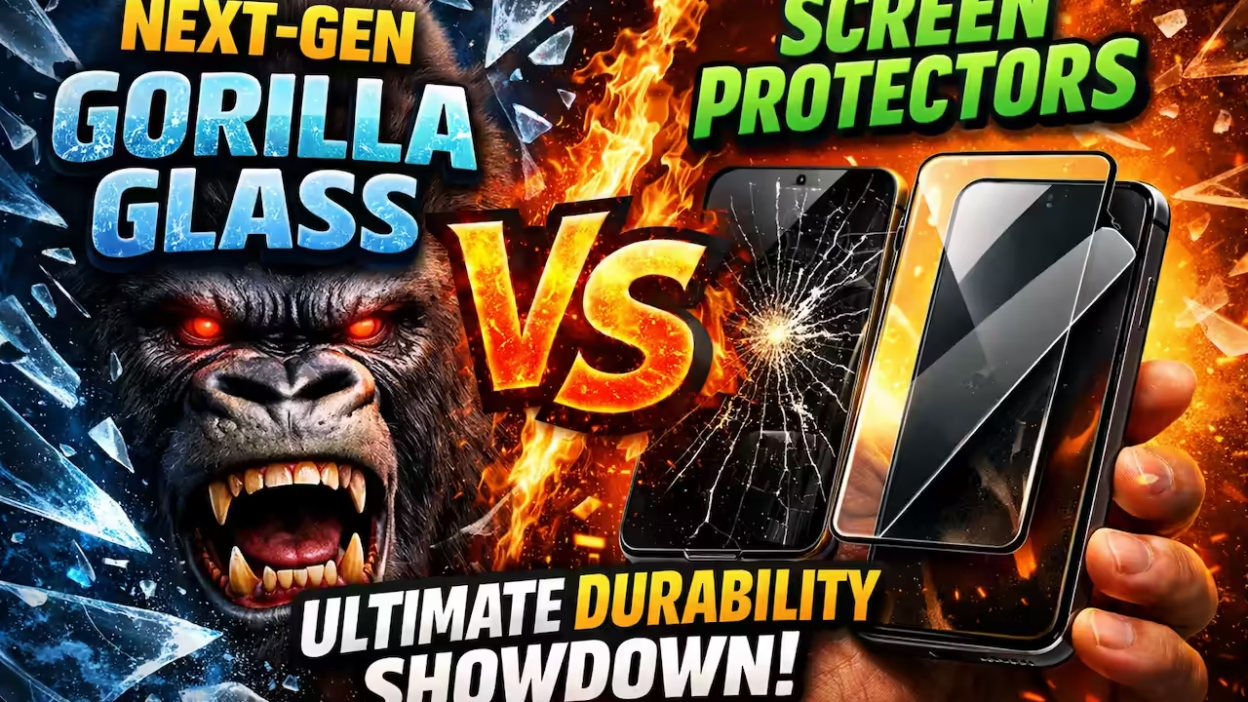
Smartphones are a big part of daily life. We use them to connect, work, play, and even pay bills. Because they are always with us, drops and scratches are common. For years, people added screen protectors to keep their devices safe. But technology is changing fast. Next-generation Gorilla Glass promises tougher screens without extra layers. So, is buying a screen protector still worth it? Or has glass technology advanced enough to protect our phones on its own? This article explores the real difference between next-gen Gorilla Glass and screen protectors, including what matters most for real-life use.
What Is Next-gen Gorilla Glass?
Gorilla Glass, made by Corning, is a special glass designed for electronic devices. The latest versions—like Gorilla Glass Victus, Victus 2, and rumored future releases—are stronger and more scratch-resistant than ever. They are used in top smartphones from brands like Samsung, Apple, and Xiaomi.
How Is It Made?
Gorilla Glass is made through a process called ion-exchange. The glass is put in a hot bath of potassium salt. Potassium ions replace smaller sodium ions in the glass. This creates a tight, dense surface that resists cracks and scratches.
Key Features Of Next-gen Gorilla Glass
- Improved drop protection: Survives falls from higher heights (up to 2 meters or more).
- Better scratch resistance: Everyday items like keys or coins are less likely to leave marks.
- Thinner and lighter: Modern glass is strong without adding bulk.
- More flexible: Handles bends and pressure better than old glass.
Real-world Examples
The Samsung Galaxy S23 Ultra uses Gorilla Glass Victus 2. In lab tests, it survived falls onto rough concrete from up to 2 meters—almost twice as high as some older glass types. Apple’s recent iPhones use Ceramic Shield (a similar technology), but many Android flagships trust Gorilla Glass.
What Are Screen Protectors?
Screen protectors are thin layers added on top of your device’s screen. They come in different materials, like plastic (PET or TPU) or tempered glass. Most people buy them to avoid scratches or cracks from drops.
Types Of Screen Protectors
- Tempered glass: Strong and clear, feels like real glass.
- Plastic (PET/TPU): Flexible, cheaper, but may feel less smooth.
- Liquid screen protectors: Wipe-on coatings, less common, offer minimal scratch resistance.
How Do Screen Protectors Work?
Screen protectors act as a sacrificial layer. If you drop your phone, the protector might crack or scratch, but the real screen stays safe. Some also reduce glare or fingerprints.
Popular Brands
- ZAGG (InvisibleShield)
- Spigen
- AmFilm
- Belkin
Each brand offers different features: blue light filtering, privacy, or extra hardness ratings.
Comparing Next-gen Gorilla Glass And Screen Protectors
Choosing between next-gen Gorilla Glass and a screen protector is not simple. Both have strengths and weaknesses. Let’s compare them in detail.
Durability
Gorilla Glass
Next-gen Gorilla Glass is tested to survive drops on rough surfaces. In lab conditions, Victus 2 survives falls from up to 2 meters on asphalt. Scratches from daily items like coins or keys are rare.
Screen Protectors
Tempered glass protectors are also strong but usually break or crack on impact. This means you will often replace the protector after a big drop. Plastic protectors are less durable and mostly protect against scratches, not shattering.
Clarity And Touch Sensitivity
Gorilla Glass
Modern Gorilla Glass is ultra-clear. It keeps screen colors accurate and touch response fast. There is nothing between your finger and the display, so it feels perfect.
Screen Protectors
Good quality protectors are almost invisible. But cheap ones can reduce brightness, add glare, or make the screen feel sticky. Some also block part of the fingerprint sensor or reduce touch accuracy, especially on curved screens.
Cost
Gorilla Glass
The cost is included in the phone’s price. You pay nothing extra for the protection.
Screen Protectors
You buy them separately. Prices range from $5 for basic plastic to $30 for high-end tempered glass.
Ease Of Replacement
Gorilla Glass
If your Gorilla Glass cracks, you need a professional repair. This can cost $200 or more, depending on the phone.
Screen Protectors
If the protector cracks, you peel it off and put on a new one—usually for less than $20.
Appearance
Gorilla Glass
No extra layer, so the phone looks and feels as the designer intended.
Screen Protectors
Some protectors are thick or have visible edges. Poor installation can lead to bubbles or dust under the surface.
Additional Features
Some protectors offer:
- Privacy filters
- Anti-glare
- Blue light reduction
Gorilla Glass does not block blue light or protect your privacy by itself.
Real-life Data Comparison
Here is a quick look at how next-gen Gorilla Glass and screen protectors perform in key areas:
| Feature | Gorilla Glass (Victus 2) | Tempered Glass Protector | Plastic Protector |
|---|---|---|---|
| Drop Resistance | High (up to 2m on rough surfaces) | Moderate (may crack, protects screen) | Low |
| Scratch Resistance | Very High | High | Moderate |
| Clarity | Excellent | Very Good | Good to Fair |
| Touch Sensitivity | Perfect | Very Good (can reduce sensitivity) | Good (can reduce sensitivity) |
| Replacement Cost | High (screen repair) | Low (new protector) | Low |
Why Next-gen Gorilla Glass Is A Game-changer
Next-gen Gorilla Glass is not just a marketing upgrade. It changes how we think about device safety. Here’s what makes it special.
Survives Real-world Drops
Older screens often shattered if dropped on concrete or gravel. Tests show Victus 2 survives up to 2-meter drops on rough surfaces. This covers most accidental falls from pockets, tables, or hands.
Reduced Micro-scratches
Before, even sand in a pocket could scratch your phone. Now, next-gen glass resists these tiny scratches, so your device looks new for longer.
Supports Advanced Designs
Phone makers can use thinner bezels and curved edges. Modern glass is strong enough to protect without extra bulk, supporting sleeker designs.
More Than Just Phones
Next-gen Gorilla Glass is used in smartwatches, tablets, and even laptops. The same tough technology keeps these screens safe.

The Limits Of Gorilla Glass
Even the toughest glass can break. Here’s what most people miss:
- Point impacts are dangerous: If a small, sharp object hits the screen, it can crack, even if dropped from a short distance.
- Repeated stress: Many small drops or pressure over time can weaken the glass.
- Back and sides are still vulnerable: Gorilla Glass usually protects the front, but the back or edges may use weaker glass or plastic.
A key point many overlook is that Gorilla Glass is not scratch-proof. It is only highly scratch-resistant. Hard particles like sand or quartz can still leave marks if they rub against the screen.
Screen Protectors: What Most People Don’t Realize
They Don’t Stop All Damage
A screen protector can save your device from scratches and some cracks. But a hard fall or strong point impact can still damage the screen underneath. Some users believe a protector is “bulletproof,” but that’s not true.
Quality Varies
Cheap protectors often fail quickly, peel off, or get cloudy. Only high-quality tempered glass protectors match the clarity and smoothness of the real screen.
Extra Features May Have Drawbacks
Privacy filters, anti-glare coatings, or blue light blockers can also reduce screen clarity or brightness. If not installed perfectly, you may see bubbles or dust.
They’re Not Always Needed
With the rise of tough glass, many users no longer need a protector for daily use—unless they work in dusty, sandy, or risky environments.
How To Decide: Gorilla Glass Alone Or With A Screen Protector?
This is a common question, especially with expensive phones. Here’s a practical way to choose.
Consider Your Lifestyle
- Careful users: If you rarely drop your phone and keep it in a separate pocket, next-gen Gorilla Glass is usually enough.
- Active lifestyles: If you hike, cycle, or work outdoors, a screen protector adds extra insurance.
- Children or shared devices: Protectors can save you money, as kids are more likely to drop or scratch devices.
Evaluate Your Environment
- Sandy or dusty locations: Sand is harder than glass and can scratch even Gorilla Glass.
- Urban use: Dropping a phone on concrete or stone is more likely. A protector may take the hit instead of your real screen.
Think About Device Value
- Expensive phones: A $20 protector can save a $300 screen repair.
- Older phones: If you plan to upgrade soon, you might skip the protector.
Insurance And Warranty
Some device warranties do not cover accidental screen cracks. Check your coverage before deciding.
Advanced Insights: What Tech Tests Reveal
Lab Testing Vs. Real Life
Manufacturers show lab tests with controlled drops and pressure. Real life is messier. If a phone lands on a sharp rock, even Victus 2 can break. If you drop it flat on its face, it’s likely safe. But if it hits the corner, cracks are more likely.
The Mohs Hardness Scale
Scratch resistance is measured using the Mohs scale. Most next-gen Gorilla Glass scores a 6–7 (out of 10). Quartz sand is about a 7, so it can scratch glass. Steel keys are softer (about 4–5), so they usually don’t leave marks.
Edge Weakness
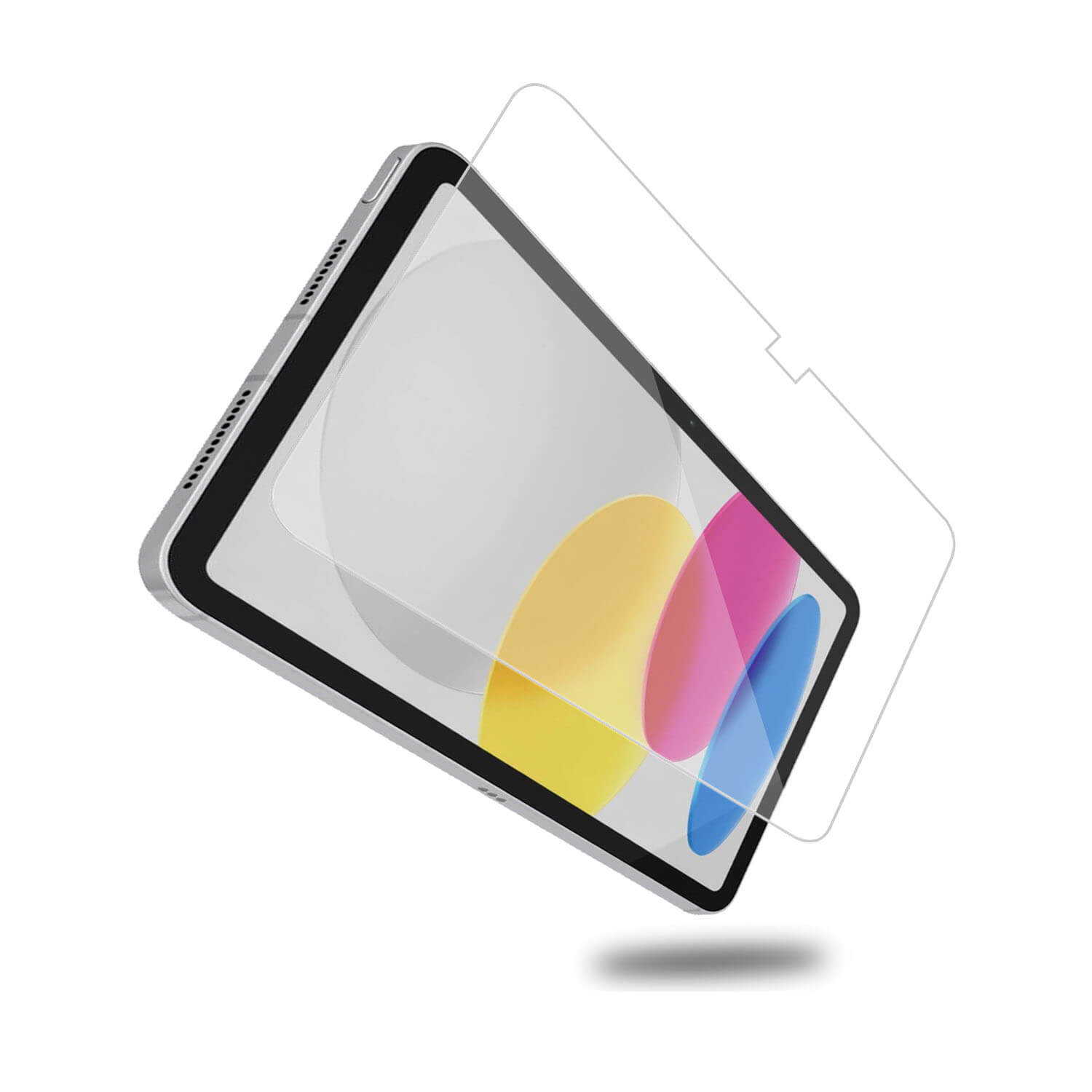
Even the strongest glass is weakest at the edges. This is why many cracks start from the side after a drop. Screen protectors that cover the edges can help, but may peel over time.
Practical Tips For Maximum Screen Safety
If you want to keep your phone looking perfect, here are some expert tips:
- Use a case with a raised lip: This protects both the back and the front during drops.
- Keep your phone away from sand: Even at the beach, avoid putting your device directly on the ground.
- Clean your screen often: Dust and grit can scratch glass during use.
- Install protectors carefully: Dust or bubbles reduce protection and can ruin the look.
- Replace damaged protectors: Cracks in a protector can focus stress and lead to screen cracks.
The Cost Of Screen Repairs Vs. Protection
Understanding the cost of repairs can help you decide how much to invest in protection. Here’s a quick look at average repair costs for popular phones:
| Device | Screen Repair Cost | Typical Protector Cost |
|---|---|---|
| iPhone 14 Pro | $329 | $10–$30 |
| Samsung Galaxy S23 Ultra | $250 | $10–$30 |
| Google Pixel 7 Pro | $200 | $10–$30 |
A single screen repair can cost more than 10 protectors. For people with a history of drops, using a protector makes financial sense.
Common Mistakes When Choosing Screen Protection
Many users make simple mistakes that cost money or reduce protection.
Choosing The Cheapest Protector
Low-cost plastic protectors often peel, bubble, or scratch easily. They may reduce touch sensitivity and clarity.
Ignoring Case Compatibility
Some thick protectors lift when used with snug cases. Always check if your protector and case work well together.
Overlapping Features
If you use a privacy protector, you may lose some brightness and color quality. Some blue light filters can add a yellow tint.
Believing In “unbreakable” Glass
No glass is unbreakable. Even next-gen Gorilla Glass can crack with the right impact.
Future Trends: What’s Next For Screen Protection?
Glass technology keeps improving. Corning is working on even tougher glass for foldable phones, tablets, and wearables. Screen protectors are also evolving with new features:
- Self-healing coatings: Some protectors can “heal” minor scratches over time.
- Antimicrobial layers: Reduce bacteria on your device.
- Custom cut protectors: Fit odd-shaped screens or camera bumps.
Phone makers may even add built-in screen protection in future models.
Expert Recommendations
After testing and research, here’s expert advice for most users:
- If you are careful and use a case, next-gen Gorilla Glass is usually enough for daily life.
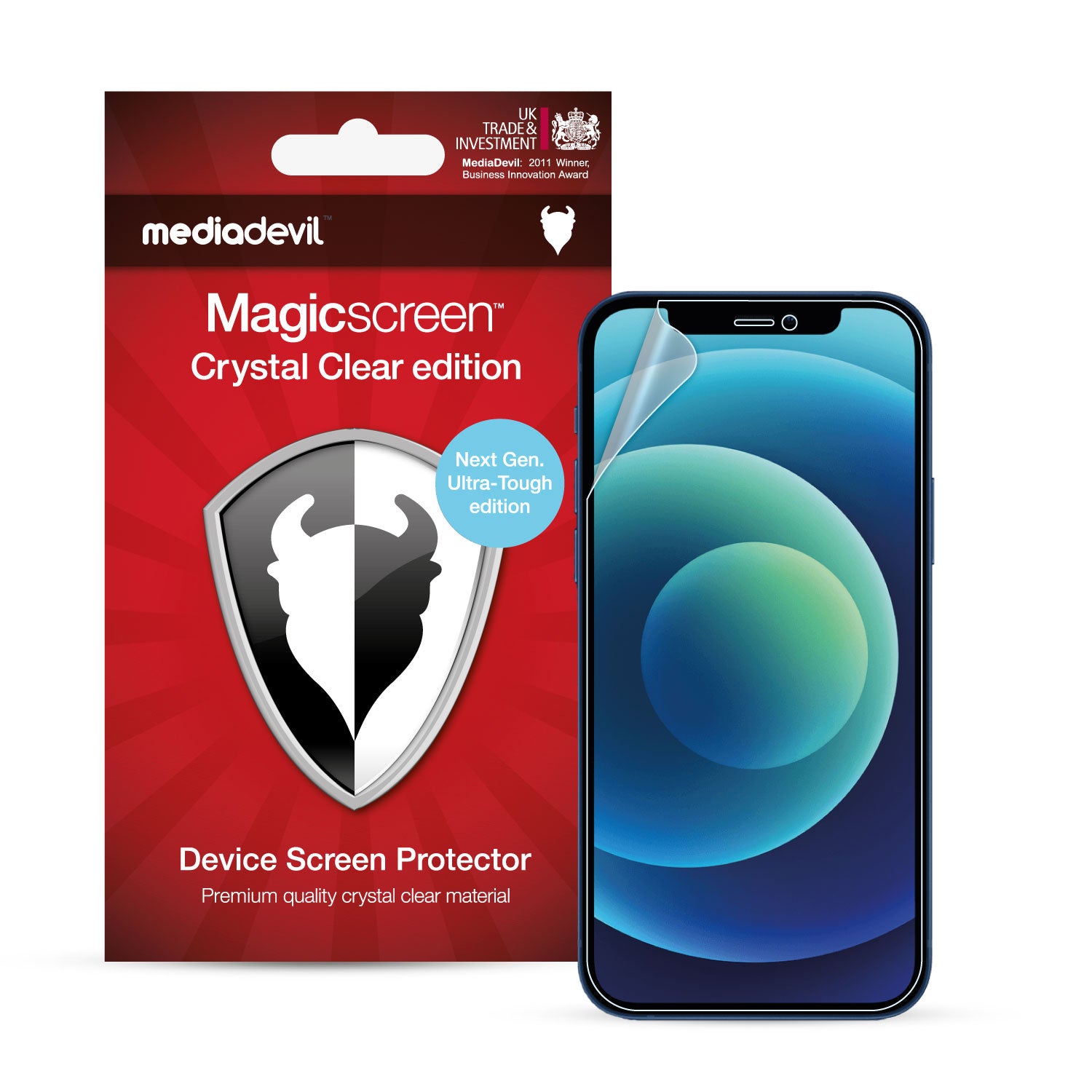
- If you value perfect screens, use a high-quality tempered glass protector.
- For risky jobs or outdoor sports, combine a screen protector with a case.
- Don’t waste money on low-quality plastic protectors—they add little real protection.
- Always check reviews and compatibility before buying.
When A Screen Protector Makes A Real Difference
Some situations really do call for extra layers:
- Kids’ tablets: Children drop devices more often; protectors prevent scratches and cracks.
- Shared devices: Office tablets or shared family phones take more abuse.
- Second-hand value: A perfect screen boosts resale price.
- Travel and outdoor use: More exposure to hard surfaces and grit.
Are Screen Protectors Becoming Obsolete?
Not yet. While next-gen Gorilla Glass is better than ever, real-world risks still exist. Accidents happen. For many, the peace of mind from a $20 protector is worth it, especially as phones get more expensive.
However, the number of users who skip protectors is growing. Many are happy with just a case, relying on advanced glass for daily protection.
How To Install A Screen Protector Properly
A common problem is a poorly installed protector. Here’s how to get it right:
- Wash your hands to avoid fingerprints.
- Clean the screen with a microfiber cloth and alcohol wipe.
- Use a dust remover sticker to pick up any tiny bits.
- Align the protector carefully with the edges of the device.
- Press from the center outward to push out bubbles.
- Check for dust spots and lift gently to remove if needed.
A good installation looks invisible and keeps your device safe.
Frequently Asked Questions
Is Next-gen Gorilla Glass Really Unbreakable?
No, even the latest Gorilla Glass can break if dropped from the right height or angle, especially on rough or sharp surfaces. It is much tougher than before and resists scratches, but “unbreakable” is a myth.
Do Screen Protectors Affect Fingerprint Sensors?
Some screen protectors, especially thick or poor-quality ones, can reduce the accuracy of under-screen fingerprint sensors. It’s best to choose protectors designed for your phone model and check user reviews.
How Often Should I Replace My Screen Protector?
Replace your screen protector if it is cracked, peeling, or has many scratches. A damaged protector cannot protect your device and may even make the screen harder to use.
Can I Use Both A Case And A Screen Protector?
Yes, and it is often recommended for maximum protection. Make sure your case does not lift the edges of your protector, especially on curved screens.
Is It Safe To Go Without A Screen Protector If I Have Next-gen Gorilla Glass?
For many users, especially those who are careful and use a case, next-gen Gorilla Glass is usually enough. But if you want extra peace of mind or use your phone in risky environments, a screen protector is still a smart choice.
—
Choosing between next-gen Gorilla Glass and a screen protector depends on your lifestyle, device value, and risk level. Modern Gorilla Glass offers great protection, but it is not magic. For some, skipping the protector is fine. For others, especially those with kids or active jobs, a good protector is cheap insurance. Whichever you choose, keep your device clean and avoid drops when you can. The best protection is a mix of smart habits, strong materials, and a little extra care. For more on the latest glass technology, see Gorilla Glass on Wikipedia.


