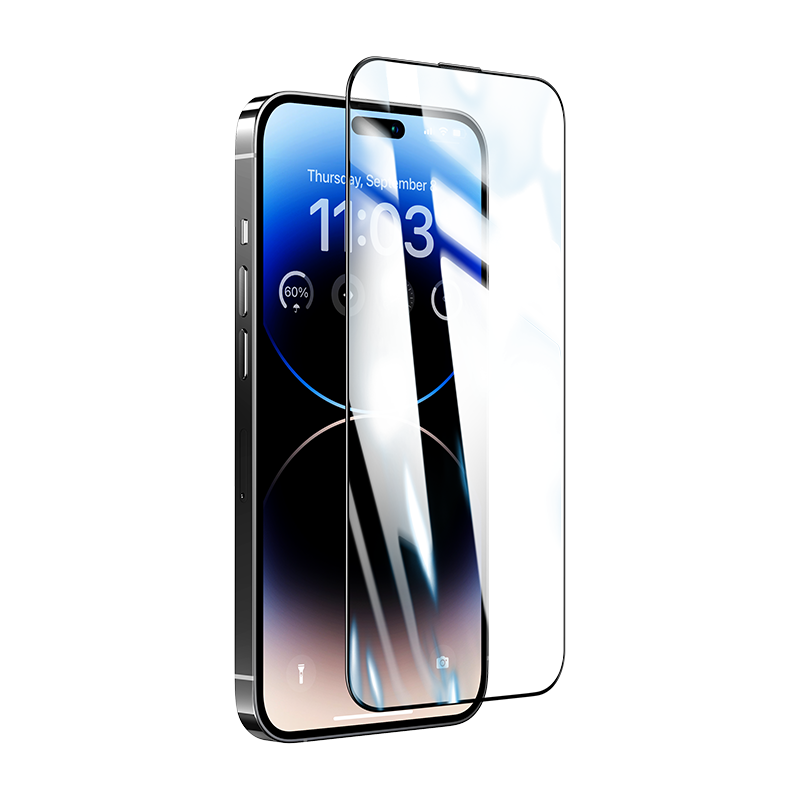
Choosing a screen protector might seem simple, but when you want the best for your phone, small details matter. Many people ask: should I buy tempered glass or sapphire glass for my device? Both sound strong, but they offer different types of protection. If you want your phone screen to stay clear and safe for years, understanding the differences is important. Let’s explore how these protectors are made, what makes them special, and which one is right for you.
What Is Tempered Glass?
Tempered glass is a type of safety glass. It’s made by heating regular glass and then cooling it quickly. This process makes the glass much stronger than normal. It’s the same kind of glass you find in car windows and some building doors. For screen protectors, manufacturers cut thin sheets to fit your device.
Tempered glass screen protectors are popular because they’re affordable and easy to find. Most major phone brands and accessory makers sell them. They’re smooth to the touch, look clear, and are simple to install. If you drop your phone, tempered glass is designed to break in a way that protects your screen underneath.
Instead of sharp shards, it crumbles into blunt pieces, reducing injury risk.
What Is Sapphire Glass?
Sapphire glass is not actually glass. It’s a crystal made from aluminum oxide that’s heated and formed into solid sheets. This material is almost as hard as diamonds. Manufacturers use a synthetic process to grow sapphire crystals, then cut them into thin layers. You’ll find sapphire glass on luxury watches, some high-end phone cameras, and, rarely, as a full phone screen.
Sapphire glass screen protectors are much less common than tempered glass. They are more expensive to make and buy. But sapphire is famous for resisting scratches. Only things as hard as diamond can scratch it. This is why expensive watches and camera lenses use it to stay clear for years.
How Are They Made?
Understanding how each protector is made helps explain their strengths and weaknesses.
Tempered Glass Production
Tempered glass starts as ordinary glass. It’s cut to size, then heated to around 620°C (1,148°F). After that, cold air blows over the surface, cooling the outside much faster than the inside. This creates tension in the glass, making it four to five times stronger than untreated glass.
Sapphire Glass Production
Sapphire glass is made from pure aluminum oxide crystals. The process involves melting the powder at over 2,000°C (3,632°F), then slowly cooling it to form a single crystal, called a “boule. ” The crystal is sliced into thin layers and polished.
The result is extremely hard and clear.
Key Differences In Manufacturing
- Cost: Sapphire glass is much more expensive and complex to produce.
- Time: Making sapphire glass takes days, while tempered glass takes only hours.
- Material: Tempered glass is a type of silica glass; sapphire is a crystal.
Physical Properties: Hardness, Thickness, And Weight
Hardness
On the Mohs scale, which measures how easily a material can be scratched, tempered glass usually rates around 6 to 7. Sapphire glass rates 9 out of 10. Only diamond, which is 10, is harder. This means sapphire glass is much more scratch-resistant than tempered glass.
Thickness
Tempered glass protectors are usually 0. 3mm to 0. 5mm thick. Sapphire glass protectors can be thinner, often around 0. 2mm, but still provide strong protection. Thinner protectors feel more like the original screen.
Weight
Both materials are light, but sapphire glass is denser. For a small screen protector, the weight difference is minor and not noticeable in daily use.
Clarity And Transparency
Both types offer high clarity. However, well-made sapphire glass can look even clearer, with less color tint. Lower-quality tempered glass might show slight rainbow effects or a milky look, especially at the edges.
Scratch Resistance: Which Lasts Longer?
When it comes to scratches, sapphire glass is the clear winner. Everyday objects like keys, coins, or sand can scratch tempered glass, but rarely affect sapphire. If you keep your phone in a bag with sharp items, sapphire will stay flawless for longer.
But tempered glass still does a good job. It protects your screen from most scratches, especially if you’re careful. The main problem is with small particles of sand or grit, which are hard enough to scratch glass but not sapphire.
Impact Resistance: Which Is Tougher?
This is where things get interesting. Tempered glass is designed to absorb shocks. If you drop your phone, the protector may crack, but your screen often stays safe. Tempered glass breaks in a safer way, crumbling instead of forming sharp edges.
Sapphire glass is very hard, but it’s also more brittle. This means if you drop your phone, sapphire protectors are more likely to shatter or chip. They can protect against scratches but may not survive a big fall as well as tempered glass.
Real-world Example
Imagine dropping your phone from waist height onto concrete:
- With tempered glass, the protector may crack but the phone’s screen underneath often survives.
- With sapphire glass, the screen may stay scratch-free, but the protector could chip or break, leaving sharp edges.

Installation And User Experience
Ease Of Application
Tempered glass is usually easier to install. Most kits include sticky tabs, dust removers, and simple instructions. The glass is stiff, so it lines up with your screen easily.
Sapphire glass protectors are thinner and can flex more during installation. This makes them slightly harder to install perfectly, especially for beginners. Air bubbles and dust can be harder to remove with sapphire.
Touch Sensitivity
Both protectors are designed to let your finger glide easily. High-quality versions from both materials offer excellent touch response, including for fingerprint sensors. Cheap tempered glass can sometimes interfere with touch, but premium brands avoid this problem.
Oleophobic Coating
Both types usually have a special coating to resist fingerprints and smudges. Over time, this coating can wear off. Some users report that sapphire glass holds the coating longer, but it depends on the manufacturer.
Price: What’s The Real Cost?
Here’s where many people make their decision. Tempered glass protectors are very affordable. Most cost between $5 and $20, depending on brand and features. You can buy multi-packs for even less per piece.
Sapphire glass protectors are much more expensive. Prices often start at $40 and can go up to $100 or more. Not all phones have sapphire glass protectors available, as making them for many models is costly.
Why the big price gap? The raw materials, manufacturing time, and difficulty in cutting sapphire add to the cost. For many, the extra price is only worth it if you want the very best scratch resistance.
Design And Aesthetics
Most people want their screen protector to be invisible. Both types are designed to be as clear as possible. Premium sapphire glass has a slight edge in clarity and feels cooler to the touch. Both can be made with rounded edges, anti-glare finishes, or privacy filters.
Some tempered glass protectors have black or colored borders to match your phone. Sapphire glass is usually clear, as it’s harder to color without affecting quality.
Compatibility With Phone Cases
Both protectors work with most cases, but thickness can matter. Thicker tempered glass protectors might push up against tight-fitting cases, causing lifting or bubbles. Sapphire glass is often thinner, making it more case-friendly.
It’s important to check reviews or product descriptions to see if a protector is “case-friendly. ” Some companies design protectors a bit smaller so cases don’t press on the edges.
Durability Over Time
Tempered glass can last for months or years if not scratched or dropped. But small scratches and chips can appear over time, especially if you keep your phone in a pocket with keys or coins. If the protector cracks, it’s easy and cheap to replace.
Sapphire glass lasts much longer in terms of scratch resistance. It may look new even after years of use. However, if it does crack or chip, replacement costs are high. Also, because sapphire is more brittle, a hard drop may mean you need a new protector sooner than expected.
Environmental Impact
Both materials have environmental costs. Tempered glass is made from sand, and the heating process uses energy. Sapphire glass requires even more energy to produce, and not all sapphire is recycled. Because sapphire is more durable, you may use fewer replacements, but each one has a higher carbon footprint.
It’s rare, but some companies now offer recycling programs for old protectors. If you care about sustainability, check if the brand offers recycling or uses eco-friendly packaging.
Availability And Selection
Tempered glass protectors are available for almost every phone, tablet, and even smartwatches. You can buy them in physical stores, online, and from third-party sellers.
Sapphire glass protectors are harder to find. They’re usually sold for popular, high-end phones and watches. Many are made by boutique brands or luxury accessory makers. Before you buy, check if a sapphire protector is available for your specific device.
Common Myths And Misunderstandings
“sapphire Glass Never Breaks.”
This is not true. While sapphire is very hard, it’s also brittle. A strong drop can still crack or chip sapphire protectors.
“tempered Glass Is Weak.”
Tempered glass is actually much stronger than regular glass. It’s designed to take everyday impacts and protect your phone. For most people, it’s enough.
“sapphire Glass Is Always Clearer.”
Not always. Poorly-made sapphire glass can look cloudy or have a blue tint. High-quality tempered glass can be just as clear as sapphire, especially for most daily use.
“more Expensive Means Better.”
Price is one factor, but not the only one. For many people, a well-made tempered glass protector is enough protection for daily life.
Real-world Usage: What Do People Say?
Thousands of users have shared their experiences online. Here’s what people who use these protectors often report:
- Tempered glass: Most people are happy with the balance of price and protection. They like how easy it is to replace, and many say their screens stay safe even after drops.
- Sapphire glass: Users love that their protector stays scratch-free after months or years. Some mention that after a big drop, the protector chipped or shattered, and replacements were expensive.
Pros And Cons: Quick Comparison
Below is a side-by-side look at the key differences.
| Feature | Tempered Glass | Sapphire Glass |
|---|---|---|
| Scratch Resistance | Good (Mohs 6-7) | Excellent (Mohs 9) |
| Impact Resistance | High (absorbs shocks) | Lower (more brittle) |
| Price | Low ($5-$20) | High ($40+) |
| Thickness | 0.3 – 0.5mm | 0.2 – 0.3mm |
| Clarity | Very good | Excellent |
| Availability | Very high | Limited |
| Installation | Easy | Medium |
| Replacement Cost | Low | High |
Who Should Choose Tempered Glass?
Tempered glass is a great choice if:
- You want affordable, good protection.
- You often drop your phone.
- You don’t mind replacing the protector every few months.
- You want something easy to install yourself.
- You need a protector for a less popular phone model.
Tempered glass offers excellent value. For most users, it’s a smart, budget-friendly choice.
Who Should Choose Sapphire Glass?
Sapphire glass is ideal if:
- You want the highest scratch resistance.
- You carry your phone with keys or sand often.
- You hate seeing scratches on your screen.
- You’re willing to pay more for the best materials.
- You have a high-end device and want to match the quality.
Sapphire glass is a luxury upgrade. If you want your screen to look perfect for years and don’t mind the price, it’s a top pick.
Practical Insights Most People Miss
1. Sapphire Glass Can Attract More Smudges
Because sapphire is so hard, it holds onto fingerprints more than tempered glass. A good oleophobic coating helps, but if it wears off, cleaning sapphire can be harder.
2. Cheap Sapphire Glass Is Often Fake
Some “sapphire” protectors are only sapphire-coated, not real sapphire. These are not as hard or scratch-resistant. Always check for independent tests or buy from trusted brands. True sapphire is expensive. If the price seems too low, it’s likely not real.
3. Edges Matter
Most breakages happen at the edges. Well-made protectors have 2.5D or curved edges to resist chipping. If you buy a sapphire protector, make sure it has rounded edges for better durability.
4. Warranty And Support
Many premium sapphire glass protectors include a warranty. If you’re paying extra, check if the company offers free replacements or support. This can save you money if your protector chips or cracks.
Testing Methods: How Are They Rated?
Manufacturers and reviewers use several tests to compare screen protectors:
- Scratch test: Rubbing materials of different hardness (like Mohs picks) to see what scratches.
- Drop test: Dropping a phone with a protector from different heights.
- Clarity test: Measuring light transmission and color accuracy.
- Touch test: Checking how the protector affects touch sensitivity.
Most brands do not publish full test results, so independent tests on YouTube or review sites can be helpful.
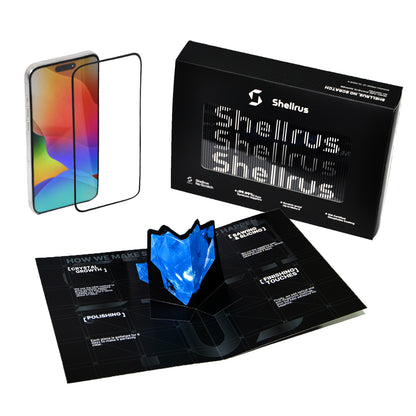
Alternatives: Are There Other Options?
Some users ask about plastic film protectors. These are cheaper and flexible but scratch easily and offer little impact protection. They are a good option only if you want to avoid glass entirely, for example, on curved screens.
Liquid screen protectors are also marketed as an option. They claim to strengthen your screen with a thin coating, but real-world tests show they offer little impact or scratch resistance. They are not a replacement for glass or sapphire protectors.
Case Study: Phones That Use Sapphire
Some luxury phones, like the Vertu brand, use sapphire for their entire screen. These phones are extremely expensive (often over $5,000). Apple uses sapphire for camera lens covers and sometimes the home button, but not for the whole screen. This shows how expensive and difficult it is to make large sapphire glass pieces.
Many smartwatch brands, such as Garmin and Apple Watch (some models), use sapphire glass to prevent scratches on small screens. On larger devices, sapphire remains rare.
What To Look For When Buying
When choosing a screen protector, keep these factors in mind:
- Device compatibility: Make sure the protector is made for your exact model.
- Edge design: Rounded edges resist chipping.
- Coatings: Look for oleophobic (anti-fingerprint) and anti-glare options.
- Brand reputation: Read reviews and check for real-world test results.
- Warranty: Some high-end protectors come with replacements if they break.
Comparison Table: Key Specs Side-by-side
Here’s a detailed side-by-side look at main specs.
| Property | Tempered Glass | Sapphire Glass |
|---|---|---|
| Mohs Hardness | 6-7 | 9 |
| Impact Resistance | High | Medium |
| Price Range | $5-$20 | $40-$100+ |
| Thickness | 0.3–0.5mm | 0.2–0.3mm |
| Oleophobic Coating | Yes (may wear off) | Yes (can last longer) |
| Availability | Very high | Low |
| Installation | Easy | Medium |
| Replacement Cost | Low | High |
The Final Choice: Which One Wins?
There’s no single answer. If you want the best scratch protection and don’t mind the price, sapphire glass is a luxury you’ll love. If you want affordable, practical protection that’s easy to replace, tempered glass is the better choice.
For most people, tempered glass offers enough protection. But if you work in harsh environments, or you can’t stand even one scratch on your phone, sapphire glass may be worth the investment.
Before you buy, ask yourself:
- How much do I want to spend?
- Do I drop my phone often?
- Do I care more about scratches or cracks?
- Is a sapphire protector even available for my device?
If you can answer these, you’re ready to protect your phone the smart way.
For more information about sapphire and glass materials, see this Wikipedia article on sapphire.
Frequently Asked Questions
What Is The Main Difference Between Tempered Glass And Sapphire Glass?
The main difference is scratch resistance. Sapphire glass is much harder and resists scratches better than tempered glass. However, tempered glass is more impact-resistant and less likely to shatter from a fall.
Is Sapphire Glass Worth The Higher Price?
For most users, tempered glass gives enough protection at a low price. Sapphire is worth it if you want the best scratch resistance and don’t mind paying more. If your job or lifestyle puts your phone in tough situations, sapphire can be a good investment.
Can I Use Either Protector With A Case?
Yes, but check the thickness. Some thick tempered glass protectors may not fit with tight cases. Sapphire glass is usually thinner and fits better with most cases. Always check if the protector is labeled “case-friendly. ”
Do Sapphire Glass Protectors Affect Touch Sensitivity?
No, high-quality sapphire glass protectors do not affect touch sensitivity. Both types can support fingerprint sensors and work well with touchscreens if made properly.
How Do I Know If My Sapphire Protector Is Real?
Real sapphire glass is expensive. If the price is low, it’s likely not true sapphire. Look for independent reviews, Mohs hardness tests, and buy from trusted brands. Some sellers only offer a sapphire coating, not full sapphire glass.
Protecting your phone is about balancing cost, protection, and daily comfort. Understanding the real differences between tempered glass and sapphire glass can help you make the best choice for your device and your lifestyle.