
Choosing how to protect your smartphone is not always easy. When you buy a new phone, you are quickly faced with two popular options: screen protectors and phone insurance. Both sound like they offer safety, but they actually work in very different ways. Many people ask, “Should I just put on a screen protector or do I really need insurance?” This is not a simple yes or no answer. Your lifestyle, phone habits, and budget all play important roles.
In this guide, you’ll learn how both options protect your phone, what they cost, and which risks they cover. You’ll also see real examples, typical costs, and some insights that many people miss when making this decision. If you’ve ever wondered what is really worth your money—screen protector or phone insurance—you’ll find honest answers here. Let’s break down what each protection offers, how they compare, and which one might be right for you.
What Is A Screen Protector?
A screen protector is a thin layer, usually made of plastic or glass, that you put over your phone’s display. It acts as a shield against scratches, fingerprints, and sometimes small impacts. You can find several types, from basic plastic films to strong tempered glass.
Main Types Of Screen Protectors
- Plastic film: Cheap, flexible, and thin. It protects against scratches but not drops.
- Tempered glass: Thicker and stronger. It resists scratches, some impacts, and feels like the real screen.
- Privacy screen: These protect your screen and block others from viewing your display from the side.
- Liquid protectors: These use a liquid that bonds to the glass, but offer less physical protection.
How Screen Protectors Work
Screen protectors absorb the force from scratches or small drops, spreading it across their surface. If you drop your phone, the protector may crack instead of your real screen. However, they do not save your phone from heavy falls, water, or internal damage.
Typical Cost
You can buy plastic film protectors for as little as $2–$5 each. Tempered glass options usually cost $8–$40, depending on brand and quality. Professional installation can add another $10–$20. Even the best protectors are affordable compared to a new phone screen.
Installation And Maintenance
Applying a screen protector is simple but needs care. Any dust or air bubbles can ruin the look and touch of your display. Some shops offer free installation if you buy the protector from them. You might need to replace the protector every few months if it gets scratched or cracked.
What Is Phone Insurance?
Phone insurance is a contract you buy to cover the cost of repairs or replacement if your phone is lost, stolen, or damaged. It works like other insurance: you pay a monthly or yearly fee, and if something bad happens, you pay a smaller fee (called a deductible) to fix or replace your phone.
Types Of Coverage
Most phone insurance plans cover:
- Accidental damage: Drops, cracked screens, water damage
- Theft: If your phone is stolen
- Loss: Some plans cover lost phones
- Mechanical breakdown: Problems after the warranty ends
Some plans only cover certain risks, so it’s important to read the details before buying.
How Claims Work
If your phone is damaged or stolen, you file a claim with your insurance provider. They may repair your phone, send you a replacement, or sometimes pay you cash. You’ll pay a deductible (often $50–$250) for each claim. Most plans limit how many claims you can file each year.
Typical Cost
Insurance for a new smartphone typically costs $7–$20 per month, depending on your phone’s value and the coverage. Over a two-year period, you might pay $168–$480 in fees, plus deductibles if you make a claim.
Providers
- Carrier insurance: Offered by AT&T, Verizon, T-Mobile, etc.
- Manufacturer insurance: Like AppleCare+ or Samsung Care+
- Third-party insurance: Companies like Asurion, SquareTrade
Each provider has different rules and coverage levels.

What Risks Do Screen Protectors And Phone Insurance Cover?
Understanding what each option actually protects is important. Many people believe a screen protector is enough, but it only guards against certain risks. Phone insurance covers more, but it comes with extra cost and rules.
| Risk | Screen Protector | Phone Insurance |
|---|---|---|
| Scratches | Yes | Yes |
| Cracked Screen (small drop) | Sometimes | Yes |
| Cracked Screen (big drop) | No | Yes |
| Water Damage | No | Yes |
| Internal Damage | No | Yes |
| Theft/Loss | No | Yes (if covered) |
| Mechanical Failure | No | Yes (after warranty) |
Many people make the mistake of thinking a good screen protector will save their phone from any damage. In reality, it’s only a first line of defense against scratches and small drops. Insurance covers much more, but you pay for that extra protection.
Comparing Cost: Screen Protector Vs Phone Insurance
Let’s look at the real cost difference between these two options. Many people focus only on the price of the protector or the insurance fee, but there are hidden costs in both choices.
Screen Protector: Cost Breakdown
- Purchase cost: $5–$40 (one-time)
- Replacement: You might need 1–2 per year, depending on usage
- Installation: Optional, usually $10–$20 if done professionally
- Total in 2 years: $10–$120 (if you replace once or twice)
For most users, the total cost stays low. Even the best tempered glass protectors rarely cost more than $50.
Phone Insurance: Cost Breakdown
- Monthly fee: $7–$20 ($168–$480 over 2 years)
- Deductible per claim: $50–$250
- Claim limits: Usually 2–3 per year
- Total in 2 years: $168–$480 in fees, plus any deductibles for repairs
If you never make a claim, you still pay the monthly fee. If you do make a claim, you pay the fee and the deductible.
Real-world Example
Imagine you drop your phone once in two years:
- With a screen protector: You pay $20 for a glass protector. If the screen cracks badly, you pay $200–$400 to replace the screen (unless the protector saved it).
- With insurance: You pay $240 in fees over two years, plus a $100 deductible when you make a claim. Insurance replaces or repairs your phone.
In some cases, using only a screen protector saves you money if you don’t damage your phone. With insurance, you pay more for peace of mind, even if you never make a claim.
Usability And Daily Experience
How do these two options affect how you use your phone every day? Most people care about how their phone feels and looks.
With A Screen Protector
- Feel: Tempered glass feels almost like the real screen, but some cheaper protectors feel sticky or reduce sensitivity.
- Look: Good protectors are nearly invisible, but cheap ones may cause glare or bubbles.
- Touch accuracy: High-quality glass protectors keep touch smooth, but thick or poor-quality ones may block fingerprint sensors.
- Replacement: You need to replace cracked protectors, which can be annoying.
With Phone Insurance
- No daily changes: Insurance does not change how your phone looks or feels.
- Claim process: If you need to use it, you may have to wait for repairs or a replacement device.
- Peace of mind: You might feel more relaxed knowing your phone is covered for big accidents.
Most people find a good screen protector is easy to live with, while insurance is “invisible” until you need it.
Coverage Limitations And Common Mistakes
Both options have limits. Many buyers miss these details and regret their choice later.
Screen Protector Limits
- Not total protection: Protectors don’t help if your phone falls hard, lands on a corner, or gets wet.
- No help for theft or loss: If someone steals your phone, a protector is useless.
- No coverage for internal damage: If your phone stops working, a protector does nothing.
Insurance Limits
- Deductibles and claim limits: You must still pay part of the repair, and most plans limit claims.
- Exclusions: Some insurance will not cover loss or theft. Some deny claims for “cosmetic” damage.
- Waiting time: Repairs or replacements can take days or weeks.
- Fine print: Some plans only cover devices bought through certain stores or carriers.
Insights Beginners Miss
- Not all screen protectors are equal: Some cheap protectors offer little real safety. Always read reviews and pick trusted brands.
- Insurance does not cover everything: Many plans do not cover loss or theft, only damage. Always check what your plan includes before buying.
Environmental Impact
Phone protection is not just about cost and safety. Every product you use has an effect on the environment.
Screen Protector Impact
- Plastic waste: Low-quality protectors are often replaced and thrown away.
- Glass recycling: Tempered glass is harder to recycle than regular glass, but produces less waste than full phone replacements.
Insurance Impact
- Device replacement: If you use insurance, your old phone may end up as e-waste.
- Repairs vs. replacement: Some insurance companies repair instead of replace, which is better for the planet.
- Packaging: Replacement phones and parts come with extra packaging and shipping.
Choosing a strong protector can reduce waste by preventing screen replacements. Insurance can increase waste if it leads to more devices being discarded.
When To Choose A Screen Protector
A screen protector is a smart choice if:
- You rarely drop your phone
- You’re careful and keep your phone in a case
- You want to spend as little as possible
- You mostly worry about scratches, not big accidents
A good protector can keep your screen looking new for years. But remember, it cannot save you from every accident.
When To Choose Phone Insurance
Phone insurance is best if:
- You often drop or lose your phone
- You use expensive models with costly repairs
- You travel a lot or work in risky places (construction, outdoors)
- You want full coverage for theft, loss, and damage
Insurance gives peace of mind but costs more, especially if you never use it. Always check if your plan covers loss and theft, not just damage.
Can You Use Both?
Yes, many people use both a screen protector and phone insurance. This is the strongest protection. A screen protector stops small problems, so you rarely need to use insurance. Insurance covers the big risks that a protector can’t handle.
Using both might seem like overkill, but for expensive phones, it’s sometimes the best way to avoid high repair costs.
How To Decide: Key Questions To Ask Yourself
Before you choose, ask:
- How careful am I with my phone?
- How much would it cost to repair or replace my phone?
- Do I often drop, lose, or damage my devices?
- Would I be upset if I had to pay for a new phone out of pocket?
- What does my insurance plan actually cover?
If you are careful and use a good case, a screen protector may be enough. If you have bad luck with phones, or if your device is very valuable, insurance makes sense.
Data: Real Costs Of Repairs And Insurance
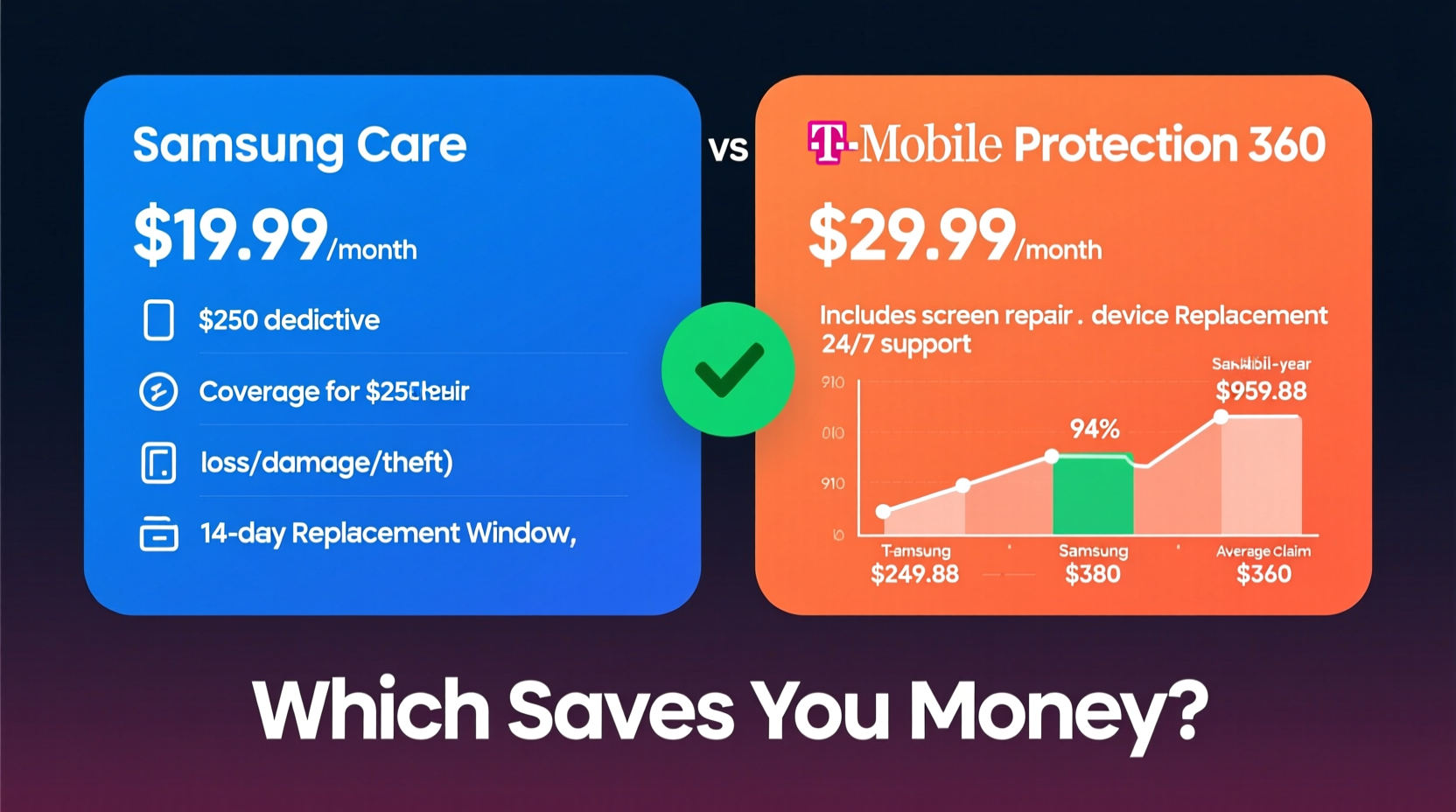
To show the real-world impact, here are average costs for popular phone models.
| Phone Model | Screen Replacement | Monthly Insurance | Deductible |
|---|---|---|---|
| iPhone 14 Pro | $329 | $13.49 (AppleCare+) | $29–$149 |
| Samsung Galaxy S23 Ultra | $249 | $17 (Samsung Care+) | $29–$249 |
| Google Pixel 7 Pro | $299 | $7 (Preferred Care) | $29–$149 |
| OnePlus 11 | $150 | $7 (3rd party) | $49–$99 |
Without insurance, you pay the full repair price. With insurance, you pay the deductible and monthly fees.
Case Studies: Real User Experiences
Case 1: The Careful User
Anna always uses a case and tempered glass on her iPhone. In three years, she dropped her phone twice, but the screen protector cracked, not the phone. Total cost: $30 for two protectors. She never needed insurance.
Case 2: The Busy Traveler
Mark travels for work and lost his phone on a train. He had insurance, paid a $150 deductible, and got a new phone in three days. Over two years, he paid $300 in fees plus the deductible. Without insurance, he would have paid $1,000 for a new phone.
Case 3: The Risky Job
James works construction and often drops his phone. In one year, he broke his screen twice and got water damage once. His insurance covered all repairs for $200 in deductibles and $200 in fees. Without insurance, his repairs would have cost over $700.
These examples show that your needs depend on your habits and lifestyle.
Myths And Misunderstandings
There are many beliefs about screen protectors and insurance that are not true.
- Myth: “A glass protector will save my phone from all drops.”
Reality: It only helps with small drops on flat surfaces.
- Myth: “Insurance covers all kinds of loss.”
Reality: Many plans do not cover theft or loss, only damage.
- Myth: “A screen protector makes my phone unbreakable.”
Reality: The corners and back are still unprotected.
- Myth: “Insurance is a waste if I’m careful.”
Reality: Accidents can happen to anyone, and insurance saves big costs in rare cases.
Understanding what each option really does helps you avoid disappointment.

How To Get The Most From Your Choice
If You Choose A Screen Protector:
- Buy quality: Read reviews, pick well-known brands, and avoid very cheap protectors.
- Install carefully: Clean your screen well, work in a dust-free area, or ask for professional help.
- Replace when needed: If it’s cracked or scratched, change it quickly to keep protection strong.
If You Choose Insurance:
- Read the policy: Know what is and isn’t covered. Watch for exclusions.
- Keep records: Save receipts, box, and serial numbers in case you need to make a claim.
- Act quickly: If your phone is lost or stolen, file a claim right away.
Many people forget to keep proof of purchase, which can slow down claims.
Combination With Other Protection
Don’t forget about phone cases. A good case plus a screen protector covers both the front and sides, reducing the chance of breaking your phone. Some insurance plans require you to use a case for coverage.
If you want maximum safety, use all three: a case, a screen protector, and insurance. This is common for expensive phones or users with active jobs.
The Role Of Manufacturer Warranties
A standard manufacturer warranty covers defects and hardware failures, not accidents, drops, or water damage. Apple, Samsung, and others offer extended warranties (like AppleCare+) that include some accidental damage, but you still pay a fee for repairs.
Always check if your phone’s warranty offers any coverage before buying extra insurance. In some cases, extended warranty plus a screen protector is enough.
Latest Trends: Foldable Phones And Special Screens
Newer phones with folding or curved screens, like the Samsung Galaxy Z series, are harder and more expensive to repair. Screen protectors for these models can be costly and tricky to install. Insurance makes more sense for these devices because repair costs can be much higher.
International Use And Travel
If you travel outside your home country, check if your insurance covers repairs or replacement abroad. Many plans only work in your home country. A screen protector still works everywhere but does not help with theft or big accidents overseas.
For travelers, buying insurance with international coverage is important. Some credit cards offer device protection for phones bought with their card—check your card’s benefits.
Insights Most People Miss
- Some credit cards offer free phone insurance if you pay your monthly bill with that card. This is often less known but can save you money.
- DIY repairs can void insurance: If you try to fix your phone yourself, your insurance may refuse to cover later claims. Always check your policy before opening your device.
Final Recommendation
There is no single answer for everyone. If you are careful, use a good case, and don’t mind small risks, a screen protector is enough. If you own an expensive phone, travel often, or have a history of accidents, insurance is worth the cost.
For most people, the best approach is a screen protector plus a good case for everyday safety, and insurance only if the cost of replacement would be a major problem for you.
Frequently Asked Questions
Is A Screen Protector Enough To Protect My Phone?
A screen protector guards against scratches and small drops but does not protect against major falls, water, or theft. For full protection, combine it with a strong case and consider insurance for expensive phones.
Does Insurance Cover Every Type Of Damage?
No, most insurance plans have limits. Some do not cover theft or loss, only damage. Always read your policy carefully and check for exclusions before buying.
How Much Does It Cost To Replace A Phone Screen Without Insurance?
Screen replacement costs depend on the model. For example, an iPhone 14 Pro can cost around $329, while a Samsung S23 Ultra costs about $249. Prices can be higher for special screens or foldable phones.
Can I Use Both A Screen Protector And Insurance At The Same Time?
Yes, many users do this. The screen protector prevents small damage, so you rarely need to make an insurance claim. Insurance covers bigger problems like theft, major drops, or water damage.
Where Can I Learn More About Phone Protection Options?
You can get details and statistics on phone damage and protection from trusted technology sources like Wikipedia.
Choosing between a screen protector and phone insurance is about understanding your own habits and what risks you want to cover. With this knowledge, you can protect your phone wisely and avoid expensive surprises.


