
Smartphones, tablets, and laptops are now part of daily life. We use them everywhere—at home, in cafes, and even while traveling. But as much as we love our devices, keeping their screens flawless is a real challenge. If you own a pet, this challenge becomes even bigger. Playful cats, curious dogs, and even birds often swipe, paw, or peck at screens. This is why a pet screen protector is no longer just a luxury—it’s a practical necessity for many pet owners.
You might wonder: What makes a pet screen protector different from regular ones? How does it actually work? Is it worth the investment? Whether you’re a tech lover, a pet parent, or simply want to protect your device, this guide will answer every question. We’ll explore how pet screen protectors are made, how they compare with standard options, and how to choose the best one for your needs. You’ll also learn about real-life experiences, cleaning tips, and common mistakes to avoid. By the end, you’ll know exactly what a pet screen protector is and why it matters.
Understanding Pet Screen Protector
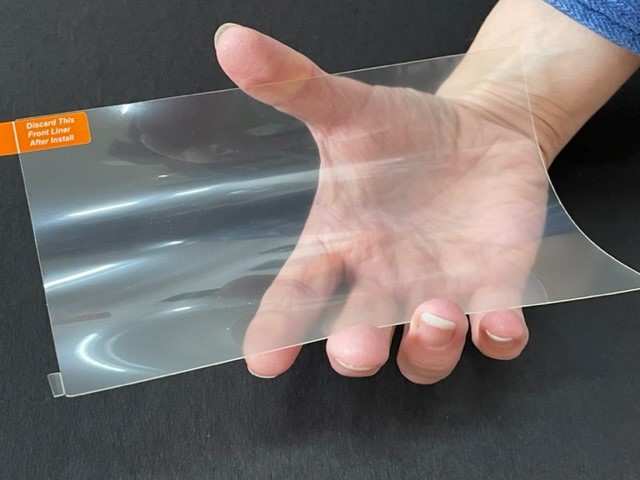
The pet screen protector is a special cover made to guard electronic screens against scratches, smudges, and impacts caused by pets. While most people are familiar with regular screen protectors, these pet-focused products are designed with extra durability. They use advanced materials that resist claws, teeth, and beaks—things that standard protectors often can’t handle.
What Makes It Different?
Standard screen protectors usually defend against keys, coins, and minor drops. Pet screen protectors, however, focus on a tougher enemy—animals. They are usually thicker, stronger, and more flexible to absorb shock and prevent deep scratches. Some even add anti-bacterial properties to fight germs that pets may bring from outside.
Why Do Pet Owners Need One?
Many pet owners notice their cat sleeping on their laptop keyboard or their dog accidentally stepping on a tablet. These actions can cause micro-scratches, cracks, or worse, complete screen failure. Repair costs can reach hundreds of dollars. A pet screen protector acts as a first line of defense, reducing the risk and saving money over time.
Types Of Devices Covered
Pet screen protectors are available for:
- Smartphones
- Tablets
- Laptops
- Monitors
- TVs
Manufacturers often design them for the most popular device models, but some brands also offer custom sizes.
How Pet Screen Protectors Work
At first glance, a pet screen protector may look like any other film or glass placed over a screen. But the technology and materials used make all the difference.
Key Materials Used
Most pet screen protectors use one or more of these materials:
- Tempered glass: Up to five times stronger than normal glass. It resists cracks and absorbs impacts.
- PET film: Flexible, lightweight plastic that handles bending without breaking.
- TPU (thermoplastic polyurethane): Very flexible and self-healing, meaning small scratches disappear over time.
- Hybrid multilayer designs: Combine glass and plastic for extra toughness.
Advanced coatings are often added to make the surface smooth, repel fingerprints, and resist bacteria.
How They Absorb Damage
When a pet’s claw or tooth hits the screen, the protector absorbs the force and spreads it across its surface. This reduces the risk of a deep scratch or a crack forming. If the impact is strong enough to break the protector, the actual device screen underneath often stays safe.
Example Scenario
Imagine your cat jumps onto your desk and swipes at your laptop screen. With a regular protector, you might see visible scratches or even a chip. But with a pet screen protector, the mark is usually much smaller, or it may even “heal” on its own if you’re using a self-healing TPU model.

Main Features Of Pet Screen Protectors
Not all pet screen protectors are created equal. Here are the most important features that set them apart from standard options:
1. High Scratch Resistance
The hardness rating (measured in Mohs or by “9H” for glass) shows how well the protector resists scratches. Pet models often use the hardest available materials.
2. Impact Absorption
Extra thickness and flexible layers help absorb impacts from paws or dropped toys.
3. Oleophobic And Hydrophobic Coating
These coatings repel oil and water, making the screen easier to clean after a wet nose or paw print.
4. Anti-bacterial Treatment
Some protectors use silver ions or special coatings to reduce bacteria—useful if your pet touches the screen often.
5. Self-healing Surface
TPU-based protectors can “heal” from small scratches over time, keeping the screen looking new.
6. Easy Installation
Many come with tools or guides for bubble-free application, since thicker protectors are harder to install perfectly.
7. Case Compatibility
Pet screen protectors are often designed to work with popular device cases, so you don’t have to choose between protection and style.
8. Transparency And Sensitivity
Despite their strength, the best models remain clear and do not reduce touch sensitivity, so your device remains easy to use.
Comparison: Pet Screen Protector Vs. Regular Screen Protector
Choosing between a pet screen protector and a standard one can be confusing. Here’s a quick side-by-side comparison:
| Feature | Pet Screen Protector | Regular Screen Protector |
|---|---|---|
| Scratch Resistance | Very high (designed for claws/teeth) | High (keys, coins, minor drops) |
| Impact Absorption | Enhanced, thicker layers | Standard, thinner layers |
| Self-Healing | Often included (TPU models) | Rarely included |
| Anti-Bacterial | Common in premium models | Not common |
| Price | Moderate to high | Low to moderate |
| Thickness | Usually thicker | Thinner |
| Clarity | High, but may vary | Very high |
Why Screens Get Damaged By Pets
Understanding how pets interact with screens helps you see why special protection is needed.
Common Ways Pets Damage Screens
- Scratching: Cats and dogs may scratch at moving images or reflections.
- Chewing: Puppies and birds sometimes bite or peck at screens.
- Jumping/Stepping: Pets walking over keyboards or tablets can create pressure points.
- Drooling/Water: Dogs’ noses or wet paws leave smears or can seep into devices.
- Hair and Dirt: Fur and dust can act like sandpaper, causing tiny scratches over time.
Real-world Examples
A study by a leading insurance provider found that over 12% of all phone screen claims by pet owners were caused by animals. One viral video showed a parrot pecking repeatedly at a tablet, leaving deep marks on the display. Stories like these highlight why extra protection matters.
How To Choose The Right Pet Screen Protector
Selecting the best pet screen protector requires considering your device, pet’s habits, and your own preferences. Here’s what really matters:
1. Device Compatibility
Check that the protector is made for your device model. Some are universal, but custom-fit protectors work best.
2. Material Type
- Tempered glass gives the hardest surface, but can crack under heavy pressure.
- TPU is flexible and self-healing but may feel softer.
- PET film is lightweight, affordable, and offers basic protection.
If your pet is very active or large, a hybrid or thick glass protector may be the best choice.
3. Thickness
Thicker protectors (0. 3–0. 5 mm) usually offer more protection but can affect case fit. Check your device’s case compatibility.
4. Special Features
- Anti-bacterial: For pets that lick or touch screens often.
- Matte finish: Reduces glare and fingerprints.
- Privacy filter: Stops others from seeing your screen—handy in public.
5. Installation Kit
Choose protectors that come with an installation kit (cleaning wipes, dust stickers, applicator frame) to make setup easier.
6. Price Vs. Value
Pet screen protectors range from $10 to $40, depending on the features. Spending a bit more can save hundreds in repair costs.
7. User Reviews
Read reviews, especially from other pet owners. They often mention issues like yellowing, reduced touch response, or if the protector peels off easily.
Pet Screen Protector Installation And Maintenance
Proper installation and care are critical for getting the most out of your screen protector.
Installation Steps
- Clean your hands to avoid transferring oils or dirt.
- Turn off your device to see dust and smudges clearly.
- Clean the screen with the included alcohol wipe and microfiber cloth.
- Remove all dust using a sticky dust sticker.
- Peel off the backing from the protector without touching the adhesive side.
- Align carefully with the device’s edges and cutouts.
- Apply gently starting from one side, pressing out air bubbles as you go.
- Check for bubbles and press them out with a card or included tool.
Maintenance Tips
- Wipe daily with a soft, damp cloth to remove fur, dust, and smudges.
- Avoid harsh chemicals that can damage coatings.
- Check edges for peeling—replace if you see any lifting.
- Replace if cracked: A damaged protector loses effectiveness.
How Long Do They Last?
Most pet screen protectors last 12–24 months with normal use. If your pet is very active, you may need to replace it more often.
Advantages Of Using A Pet Screen Protector
Pet screen protectors offer more than just scratch resistance. Here’s why they stand out:
1. Peace Of Mind
You won’t worry every time your pet comes near your device.
2. Cost Savings
Repairing or replacing a screen can cost $100–$300. A protector is a small investment.
3. Better Hygiene
Anti-bacterial coatings reduce the risk of germs from paws, noses, and fur.
4. Longer Device Life
Reducing damage means your device stays in good condition longer, which helps with resale value.
5. Clear, Easy Viewing
High-quality protectors remain clear, so you don’t lose display quality.
6. Easy To Replace
If the protector is damaged, replacing it is much cheaper and faster than fixing a screen.
Disadvantages And Limitations
No product is perfect. Here are some drawbacks to consider:
- Slightly higher price than regular protectors.
- Increased thickness can make devices feel bulkier.
- Possible reduction in touch sensitivity with very thick or low-quality protectors.
- May not fit all cases, especially with thick glass models.
- Doesn’t make screens “pet-proof”—just more resistant.
Real-life Experience: Stories From Pet Owners
Hearing from other pet owners can give insight into what to expect.
Case 1: Cat Vs. Laptop
Sarah, a graphic designer, shares: “My cat loves chasing the mouse pointer on my laptop. Before using a pet screen protector, I had to replace the screen once—a $250 mistake. Now, I see a few light scratches, but the display works perfectly.”
Case 2: Dog’s Wet Nose On Tablet
Mike, a teacher, says: “My Labrador always puts his nose on my iPad when I’m reading. The protector is easy to clean and keeps the screen clear. I even noticed fewer smudges after switching to a model with an oleophobic coating.”
Case 3: Parrot Pecking At Phone
Lisa recalls: “My parrot’s beak left marks on my old screen protector. After switching to a pet-specific one, it’s held up much better. Even after a year, no deep scratches.”
These stories show that while pet screen protectors aren’t magic, they make a real difference.
Common Mistakes To Avoid
Beginners often make a few mistakes when choosing or using a pet screen protector. Watch out for these:
1. Choosing The Wrong Size Or Model
Always double-check device compatibility before buying.
2. Rushing Installation
Take your time to avoid dust and bubbles. A poorly installed protector won’t work well.
3. Ignoring Case Compatibility
Some thick protectors don’t fit with tight cases.
4. Buying The Cheapest Option
Low-priced models often lack key features like self-healing or anti-bacterial coatings.
5. Not Replacing Damaged Protectors
Once cracked or peeling, a protector won’t work as intended.
6. Overcleaning With Harsh Chemicals
These can strip special coatings and reduce protection.
Pet Screen Protector For Different Pets
The type of pet you own can impact which screen protector is best.
Cats
Cats’ claws are sharp and often swipe at moving objects. Choose a hard, scratch-resistant glass protector with an oleophobic coating.
Dogs
Dogs usually cause more smudges and drool than scratches, but large breeds can step on devices. A thick, impact-absorbing protector with anti-bacterial properties is ideal.
Birds
Birds peck hard and can leave deep marks. Self-healing TPU or hybrid protectors work well, but check for good clarity.
Small Animals (rabbits, Ferrets)
These pets chew and dig. Flexible, self-healing protectors are a smart choice.
Comparing Top Pet Screen Protector Brands
If you’re ready to buy, you’ll see many brands. Here’s a comparison of some popular options:
| Brand | Material | Key Features | Average Price |
|---|---|---|---|
| PawGuard | Tempered Glass | 9H hardness, anti-bacterial, easy install | $25 |
| PetSafe Shield | TPU Film | Self-healing, anti-smudge, flexible | $18 |
| ArmorPaw | Hybrid Glass/TPU | Impact absorption, anti-shatter, case-friendly | $30 |
| ClawProof | PET Film | Basic scratch resistance, easy to replace | $12 |
Environmental Impact Of Pet Screen Protectors
Most pet screen protectors are designed to be replaced every 1–2 years, which creates some waste. However, many brands now use recyclable materials or offer recycling programs. If you want a greener option, look for:
- Biodegradable packaging
- Recyclable glass or PET film
- Minimal plastic in installation kits
Recycling old protectors properly helps reduce your environmental footprint.

Are Pet Screen Protectors Worth It?
For many pet owners, the answer is yes. The cost of a pet screen protector is usually much less than a repair or replacement. Plus, you gain peace of mind, better hygiene, and longer device life. If you have a playful or curious pet, the small investment quickly pays for itself.
However, if your pet never goes near your device, a standard protector may be enough. The key is to match the product to your real-world needs.
Where To Buy Pet Screen Protectors
You can find pet screen protectors online or in electronics stores. Popular places include:
- Amazon
- Manufacturer websites
- Major electronics retailers (Best Buy, Walmart)
- Pet specialty stores (for certain brands)
Always buy from trusted sources to avoid poor-quality imitations. For more technical details, you can check Wikipedia’s screen protector article.
Frequently Asked Questions
What Is The Difference Between Pet Screen Protector And Normal Screen Protector?
A pet screen protector is specially made to resist scratches, impacts, and smudges caused by pets’ claws, teeth, and paws. It is usually thicker and tougher than a regular protector, which is designed mainly for everyday wear like keys or coins.
Can Pet Screen Protectors Affect Touch Sensitivity?
High-quality pet screen protectors are designed to keep touch sensitivity almost unchanged. However, cheaper or very thick models may reduce responsiveness, especially on older devices. Always read reviews to check this before buying.
How Often Should I Replace A Pet Screen Protector?
Most protectors last 12–24 months. Replace your protector if it gets cracked, starts peeling, or shows deep scratches. Some self-healing models can last longer if only minor scratches appear.
Are Pet Screen Protectors Safe For All Devices?
Yes, as long as you buy the correct size and type for your device. Make sure to choose a reputable brand and follow installation instructions carefully. Avoid universal protectors for devices with special sensors or curves.
Do Pet Screen Protectors Prevent All Damage?
No screen protector can make a device completely “pet-proof. ” They greatly reduce the risk of scratches and cracks but cannot stop all possible damage, especially from strong impacts or chewing. Proper device storage and supervision are still important.
Protecting your devices from pet-related damage is easier than ever. With the right pet screen protector, you can enjoy your tech life and your pets, without worry. Choose wisely, follow the tips above, and keep your screens looking great for years to come.


