
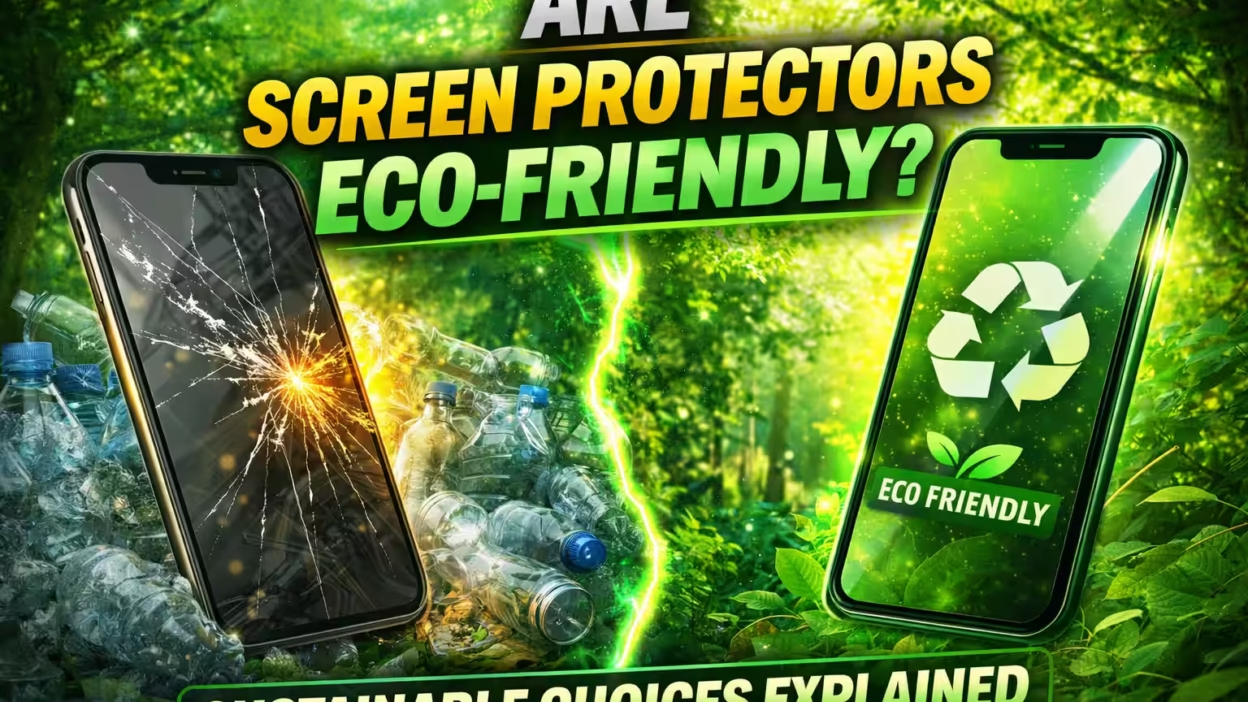
Screen protectors are everywhere. If you look around, you’ll see them on almost every smartphone, tablet, and sometimes even on smartwatches. People use them to keep their screens free from scratches, cracks, and fingerprints. But as our world becomes more eco-conscious, a big question appears: Are screen protectors eco-friendly?
Many people buy screen protectors without thinking about their environmental impact. Some even change them every few months. When you multiply this by billions of devices worldwide, the result is a lot of waste. In this article, we’ll look closely at what screen protectors are made of, how they are disposed of, and what their real impact is on our planet.
We’ll also explore greener options, and help you make smarter choices for both your device and the Earth.
What Are Screen Protectors Made Of?
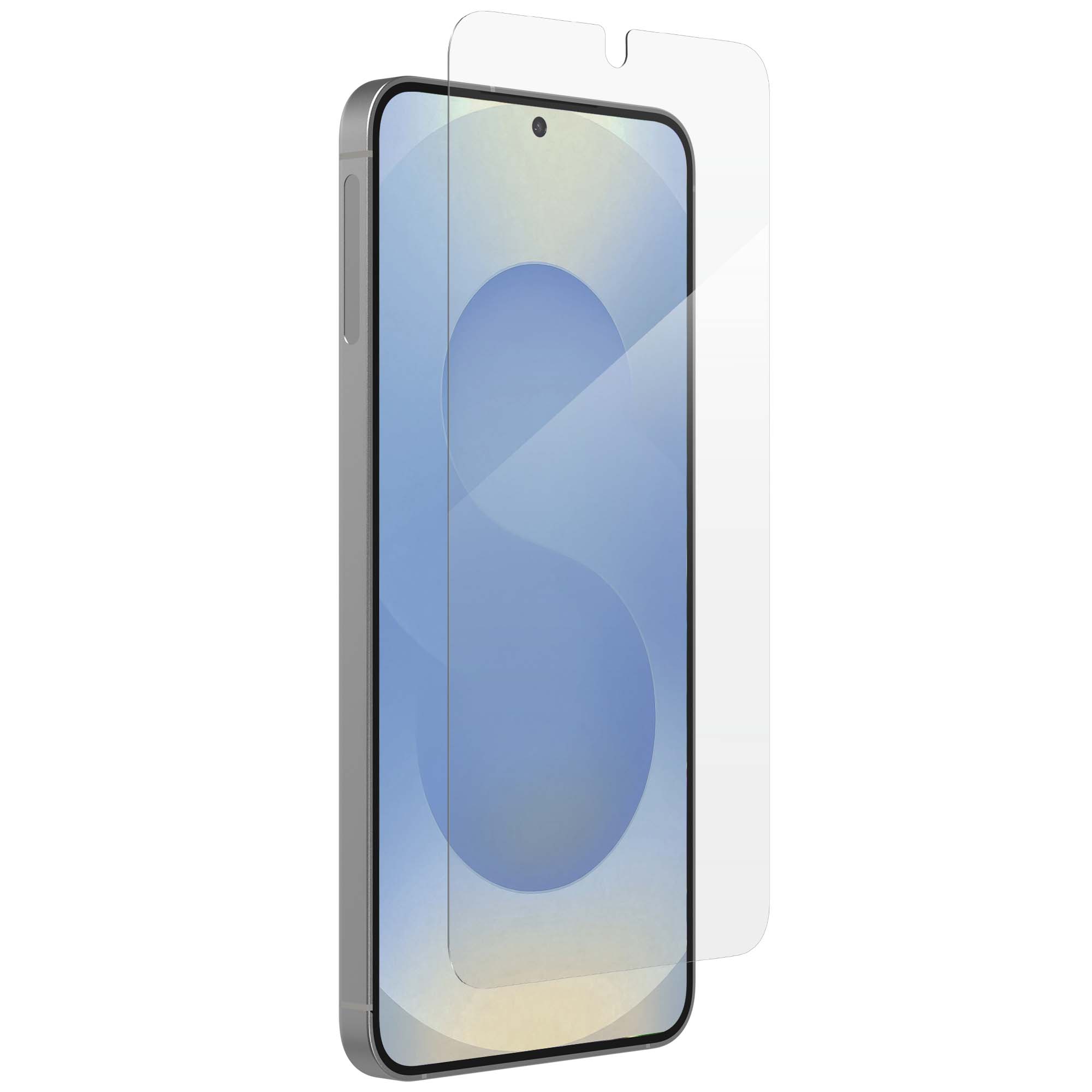
Screen protectors might seem simple, but their materials and manufacturing can be complex. Most are made from:
- Tempered glass
- PET plastic (polyethylene terephthalate)
- TPU plastic (thermoplastic polyurethane)
- Hybrid materials (combinations of glass and plastic)
Tempered Glass
Tempered glass protectors are popular because they feel similar to the device’s original screen. They are made by heating glass to high temperatures and then cooling it quickly. This makes the glass stronger and more resistant to breaking. However, the energy needed for production is significant, and the glass often contains chemical coatings that are not biodegradable.
Pet Plastic
PET screen protectors are thin, flexible, and inexpensive. PET is a type of plastic also used in water bottles and food packaging. Its production uses fossil fuels and creates greenhouse gases. PET is recyclable, but most recycling centers do not accept small or mixed-plastic items like screen protectors.
Tpu Plastic
TPU protectors are flexible and self-healing. TPU is a plastic made from petroleum products. While it’s durable, it’s not biodegradable and can last for hundreds of years in a landfill. Only special recycling facilities can process TPU, and these are rare.
Hybrid Materials
Some screen protectors mix glass and plastic. These give extra strength but are even harder to recycle because of their mixed materials. Most recycling systems cannot separate the layers.
Key insight: Most screen protectors are made from materials that are not biodegradable and are difficult to recycle. This is an important factor when considering their environmental friendliness.
How Screen Protectors Affect The Environment
The environmental impact of screen protectors happens at every stage: production, use, and disposal.
Production
Making glass and plastic uses energy and resources. For example, making tempered glass requires heating ovens to over 600°C (1112°F). Producing plastics like PET and TPU uses fossil fuels and creates carbon emissions.
- A study found that making 1 kg of PET releases about 2.15 kg of CO₂ into the air.
- Mining and transporting sand (for glass) and petroleum (for plastics) also harm the environment.
Use
While in use, screen protectors don’t release harmful chemicals. However, many people replace them every few months due to scratches or cracks. This short lifespan means more waste.
Disposal
Most screen protectors end up in regular trash. Because they are small, thin, and mixed-material, recycling is almost impossible. In landfills, they do not break down for hundreds of years.
- Glass does not biodegrade.
- Plastics like PET and TPU can last centuries.
A single person might throw away several protectors in a year. Multiply that by millions, and you have a significant waste problem.
Indirect Effects
There is a less obvious impact: people who use screen protectors may keep their devices longer. By preventing screen damage, protectors can reduce the need for repairs or new devices. Since making a new phone or tablet uses far more resources than a screen protector, this effect is important but often overlooked.
Comparing Types Of Screen Protectors
To better understand their eco-friendliness, let’s compare the main types side by side.
| Type | Main Material | Biodegradable? | Recyclable? | Durability | Common Disposal |
|---|---|---|---|---|---|
| Tempered Glass | Glass, glue | No | Rarely | High | Landfill |
| PET Plastic | PET | No | Sometimes | Medium | Landfill |
| TPU Plastic | TPU | No | No | Medium | Landfill |
| Hybrid | Glass + Plastic | No | No | High | Landfill |
Key insight: All main types are non-biodegradable and rarely recycled. Their durability varies, but all usually end up as waste.
Eco-friendliness: What Does It Really Mean?
Before deciding if screen protectors are eco-friendly, it helps to define the term. Eco-friendly usually means:
- Made from renewable or recycled materials
- Low impact during production
- Long lifespan or reusable
- Biodegradable or recyclable at end of life
Most screen protectors don’t meet these standards. They are made from non-renewable materials, are hard to recycle, and do not biodegrade. Even the packaging is often plastic.
Practical tip: If you want a more eco-friendly solution, look for products that clearly state their environmental benefits (for example, made from recycled materials or with compostable packaging).
Are There Eco-friendly Screen Protector Brands?
Some companies are trying to make greener screen protectors. These options are not yet common, but they do exist.
Plant-based Or Bioplastic Protectors
Some brands offer protectors made from bioplastics or plant-based materials. These claim to be biodegradable or compostable. However, the technology is still new and these protectors are often less durable.
- Bioplastics may break down in industrial composting but not in a regular landfill.
- Some “biodegradable” claims are misleading, as only a small part of the product is plant-based.
Recycled Material Protectors
A few brands use recycled PET (rPET) or other recycled plastics. This reduces the need for new plastic, but recycling has limits. If the protector is mixed with glue or coatings, it still cannot be recycled again after use.
Minimalist Packaging
Eco-friendly brands may use paper packaging instead of plastic, or even ship protectors without extra boxes. This reduces waste, but it does not solve the problem of the protector itself not being recyclable.
Example Brands
Some brands to look for include:
- Pela (uses flax straw bioplastics)
- Nimble (recycled materials)
- Tech21 Eco (compostable cases, some screen protector options)
Non-obvious insight: Even if a protector is made from greener materials, check the company’s claims. Many “eco” protectors still use plastic for strength or are not certified compostable.
Packaging Waste: The Hidden Problem
When you buy a screen protector, you also get packaging. Most protectors come with:
- Plastic trays
- Foam sheets
- Cardboard boxes
- Single-use cleaning wipes (often with plastic)
This extra packaging increases the environmental impact. Even if the protector is small, the packaging can be larger and made of mixed materials, making recycling difficult.
A 2020 study found that packaging waste is a big part of electronics accessories’ footprint. Sometimes, the packaging for a $10 screen protector creates more waste than the protector itself.
Tip: Choose brands with minimal, recyclable, or compostable packaging. This small step reduces your waste.
The Lifecycle Of A Screen Protector
Let’s look at the life story of a typical screen protector, from start to finish.
Raw Materials
Sand is mined for glass. Oil is extracted and refined for plastics. These processes use large amounts of energy and water, and they damage habitats.
Manufacturing
Factories heat and shape the glass or plastic, cut it to size, and add coatings. This uses more energy and creates emissions.
Packaging And Shipping
Finished protectors are packed—often with plastic—and shipped worldwide. Shipping releases more carbon.
Use
Protectors are applied to devices. They might last a few months or a year before being replaced.
Disposal
Most used protectors are thrown in the trash. They end up in landfills or, worse, as litter.
Data point: It’s estimated that over 1 billion screen protectors are sold each year. Even if each weighs only 10 grams, that’s over 10,000 tons of waste annually, not counting packaging.
Are Screen Protectors Necessary?
A surprising question is whether you really need a screen protector.
Modern Device Glass
Most smartphones and tablets now use Gorilla Glass or similar toughened glass. These are scratch-resistant and hard to break. For careful users, a protector may not be needed.
When Screen Protectors Make Sense
- If you often drop your device
- If you work in rough environments (construction, outdoors)
- If you have young children
- If you plan to resell your device
If you are careful, your device’s screen may last years without a protector.
Non-obvious insight: Skipping a screen protector is sometimes the greenest option if you use a case and handle your device with care.

What Happens To Disposed Screen Protectors?
Most used protectors:
- End up in landfills, where they do not break down
- Are not recycled because they are too small or made of mixed materials
- May become litter if not disposed of properly
No major recycling program exists for used protectors. Some companies accept used electronics for recycling, but rarely take screen protectors.
Incineration
In some countries, trash is burned. This can release toxic gases from plastics or chemical coatings.
Electronic Waste
While not considered e-waste, protectors add to the overall electronic accessory waste problem. Every small item adds up over time.
How Screen Protectors Compare To Other Accessories
Screen protectors are not the only phone accessory with environmental impact. Let’s compare with cases and chargers:
| Accessory | Main Materials | Common Disposal | Average Lifespan | Eco-Friendly Options? |
|---|---|---|---|---|
| Screen Protector | Glass, plastic | Landfill | Months–1 year | Some |
| Phone Case | Plastic, silicone, leather | Landfill | 1–2 years | Many |
| Charger | Plastic, metal | E-waste | 2–5 years | Few |
Observation: Screen protectors have a short lifespan and fewer eco-friendly choices compared to cases.
How To Choose A More Eco-friendly Screen Protector
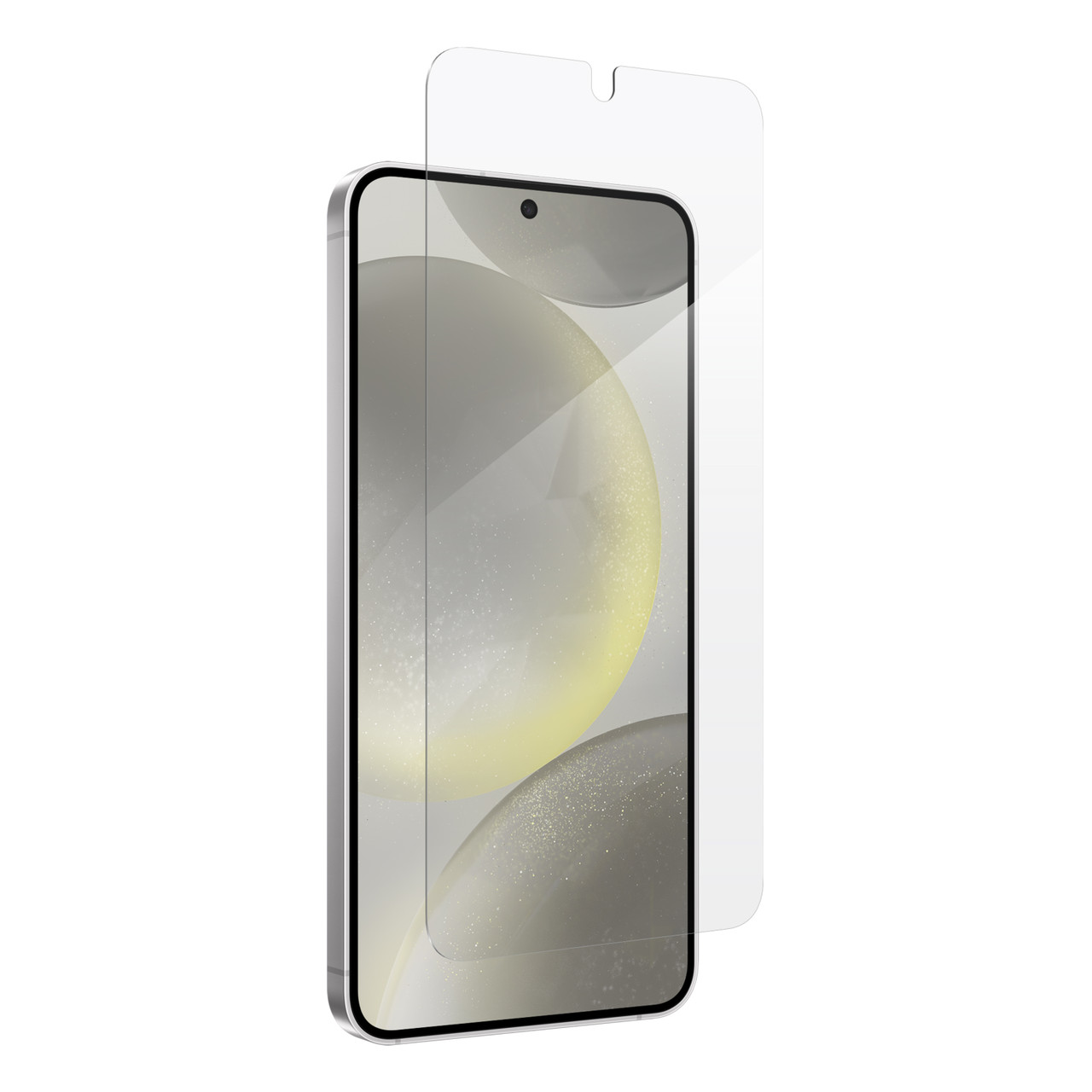
If you decide you need a protector, here’s how to make a greener choice:
- Look for recycled materials. Some brands use rPET or recycled glass.
- Check for biodegradable claims. Only choose if certified compostable.
- Minimal packaging. Avoid brands with lots of plastic or foam.
- Buy only what you need. Don’t stock up on extras.
- Support brands with take-back programs. Some companies recycle their own products.
- Proper disposal. If you can’t recycle, at least keep used protectors out of nature.
Common mistake: Don’t assume “eco” or “green” means truly eco-friendly. Check for third-party certifications.
Alternatives To Screen Protectors
If you want to avoid screen protector waste, consider these options:
- Use a phone case with a raised edge. This protects the screen from most drops.
- Be careful with your device. Keep it away from keys and sharp objects.
- Repair small scratches. Some shops offer polishing for glass screens.
- Buy secondhand. Reusing a device is always greener than buying new.
The Future Of Screen Protectors
Technology is changing. In the future, we may see:
- Self-healing glass screens that repair scratches on their own
- More durable screen coatings that do not need protectors
- Fully biodegradable protectors that break down in home compost
Some companies are already working on these solutions. As demand for eco-friendly products grows, greener options will likely become more common.
What You Can Do As A Consumer
Your choices matter. Here’s how you can help:
- Buy only when needed. Don’t replace protectors too often.
- Choose greener brands. Support companies making eco-friendly changes.
- Dispose properly. Never litter old protectors.
- Ask questions. Email brands and ask about their materials and recycling programs.
Small changes, when multiplied by millions of people, can have a big impact.
What The Industry Can Do
Manufacturers and retailers also have a role. They can:
- Design for recycling. Use single materials that are easier to process.
- Offer take-back programs. Help customers recycle used protectors.
- Switch to plant-based or recycled materials.
- Reduce packaging. Use paper or compostable materials.
- Educate consumers. Be honest about the environmental impact.
Non-obvious insight: Industry change often starts with consumer demand. When enough people ask for eco-friendly options, brands will respond.
The Bigger Picture: Small Items, Big Impact
Screen protectors seem small, but they add up. Billions are sold each year. Their production and disposal use resources and create waste. While not the worst polluters, they are part of the larger problem of single-use electronics accessories.
Choosing wisely, reducing waste, and pushing for better products can help. Every small action counts.
Frequently Asked Questions
Are Glass Screen Protectors Biodegradable?
No, glass screen protectors are not biodegradable. The glass and chemical coatings used do not break down in the environment. They remain in landfills for hundreds of years.
Can I Recycle Old Screen Protectors?
Rarely. Most recycling centers do not accept screen protectors because they are small and made of mixed materials. Check with your local facility, but most will end up as trash.
Is There A Truly Eco-friendly Screen Protector?
There are some options made from bioplastics or recycled materials, but most still use some plastic for strength. Look for certified compostable or recycled content, and be cautious of greenwashing.
Does Using A Screen Protector Help The Environment By Making My Device Last Longer?
Yes, in some cases. If a screen protector prevents damage and extends your device’s life, it can reduce e-waste. But if you are careful, your device may not need a protector.
What Should I Do With Used Screen Protectors?
Best option: Dispose of them in the trash if no recycling program exists. Never litter. Some brands offer take-back programs, so check with the manufacturer.
—
Screen protectors are not very eco-friendly today, but better options are starting to appear. By making informed choices and supporting greener brands, you can help reduce waste and move toward a more sustainable future. For more on eco-friendly materials, visit the Wikipedia page on biodegradable plastics.


