
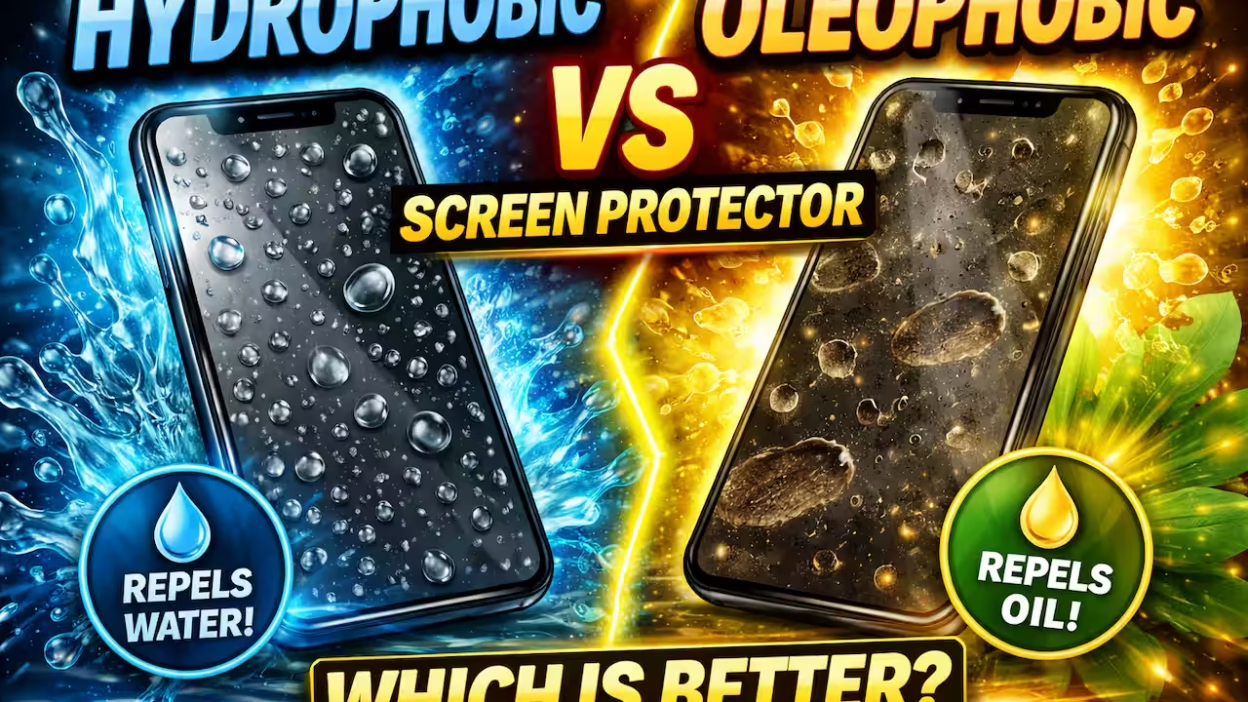
Every day, millions of people tap, swipe, and scroll on their smartphones or tablets. The screens on these devices are not only windows to the digital world, but also investments we want to protect. It’s no surprise that screen protectors have become essential. But with so many options, choosing the right one can be confusing—especially when you see terms like hydrophobic and oleophobic. At first glance, they sound similar. Both claim to repel something and keep your screen clean. But what do they really mean? And, more importantly, which type of screen protector is best for you?
This article breaks down the differences between hydrophobic and oleophobic screen protectors. It explains how they work and compares real-world performance. You will be guided to make a smart choice for your device. Whether you’re worried about fingerprints or oil stains, you’ll find clear answers here. Are water marks a concern? You’re covered as well. Maybe you just want the smoothest touch experience; rest assured, our guide addresses that too.
What Does Hydrophobic Mean?
To understand hydrophobic screen protectors, let’s start with the basics. The word “hydrophobic” comes from two Greek words: “hydro” (water) and “phobos” (fear). So, hydrophobic means “water-fearing” or, more simply, repels water. In science, a hydrophobic surface doesn’t let water stick to it. Instead, water beads up and rolls off.
On a smartphone or tablet, a hydrophobic coating is a very thin, invisible layer added to the screen protector. This layer makes the surface so smooth and non-absorbent that drops of water don’t spread out. Instead, they just form beads and slide off. This effect is similar to how water beads up on a lotus leaf.
But hydrophobic doesn’t mean the screen is completely waterproof. It just means water and other liquids are less likely to stick and leave marks or stains.
How Hydrophobic Screen Protectors Work
The technology behind hydrophobic coatings is simple but clever. Manufacturers use special chemicals called fluoropolymers or siloxanes. These molecules arrange themselves so that the surface resists water at a microscopic level. The result:
- Water drops stay in spherical shapes and roll off easily
- Less water residue after rain or a spill
- Easier to wipe away moisture, reducing water marks
Common Applications
Hydrophobic coatings are not just used for phones and tablets. They’re also found on:
- Eyeglass lenses (to prevent fog and water spots)
- Car windshields
- Camera lenses
- Bathroom mirrors
This technology has proven effective for everyday use, especially for people who work outdoors, cook, or live in humid climates.
What Does Oleophobic Mean?
The word “oleophobic” comes from “oleo” (oil) and “phobos” (fear). So, oleophobic means “oil-fearing” or repels oil. The main goal is to keep greasy fingerprints, skin oils, and makeup smudges from sticking to the screen.
Smartphone screens, especially those made of glass, naturally attract oil from fingers. That’s why most phones get dirty after a few minutes of use. An oleophobic coating is designed to solve this problem. It creates a surface that doesn’t bond with oil molecules. As a result, oils either don’t stick or are much easier to wipe off.
How Oleophobic Screen Protectors Work
Oleophobic coatings usually use special silicone-based or fluorinated compounds. These chemicals create a surface that repels oil and grease. The result is:
- Fewer visible fingerprints and smudges
- Easy cleaning with a soft cloth
- Smoother swiping (your finger glides easily over the glass)
Where Oleophobic Coatings Are Used
Oleophobic coatings are found on:
- Most modern smartphone and tablet screens
- High-end camera lenses
- Touchscreen kiosks and ATMs
- Some kitchen appliances
This technology became popular after Apple used it on the original iPhone, setting a new standard for premium displays.

Hydrophobic Vs Oleophobic: What’s The Real Difference?
Many people think hydrophobic and oleophobic are the same thing. While both coatings repel things you don’t want on your screen, they target different substances.
- Hydrophobic: Repels water and most liquid spills
- Oleophobic: Repels oil, fingerprints, and greasy smudges
Let’s compare these two in detail:
| Feature | Hydrophobic Screen Protector | Oleophobic Screen Protector |
|---|---|---|
| Main Purpose | Repel water, prevent water marks | Repel oil, prevent fingerprints and smudges |
| Common Coating Material | Fluoropolymers, siloxanes | Silicone-based, fluorinated compounds |
| Best For | Outdoor use, rainy/humid conditions | Everyday use, people who hate fingerprints |
| Cleaning | Easy to wipe off water/liquid | Easy to wipe off oil/fingerprints |
| Touch Sensitivity | Usually smooth, but can vary | Very smooth, optimized for touchscreens |
Are There Screen Protectors That Have Both?
Yes. Some high-quality protectors use dual coatings that are both hydrophobic and oleophobic. These offer the best of both worlds—resisting water and oil for easier cleaning and longer-lasting clarity.
However, many budget protectors choose only one type of coating to save costs.
How Do These Coatings Affect Daily Use?
Choosing a screen protector is not just about science; it’s about real-life experience. Let’s look at how hydrophobic and oleophobic screen protectors perform day to day.
Hydrophobic Screen Protectors In Action
Imagine you get caught in the rain or accidentally spill a drink on your phone. With a hydrophobic screen protector:
- Water beads up and can be wiped off quickly with a sleeve or cloth
- Less risk of water stains or mineral marks if you don’t dry it right away
- Great for people who hike, bike, or use their phone outdoors
However, hydrophobic protectors don’t prevent fingerprints very well. After a few hours of use, you may still see visible smudges.
Oleophobic Screen Protectors In Action
If you use your device with oily fingers or apply makeup, an oleophobic protector shines:
- Fingerprints are less visible and wipe away easily
- Your screen stays clear longer, even after heavy use
- Swiping and tapping feels smoother
But, if your device gets wet, water may still leave spots that need extra wiping.
Which Coating Lasts Longer?
Both coatings are thin and wear away over time. With normal use, the average oleophobic or hydrophobic layer lasts about 6-12 months. After that, the effect fades, especially in high-touch areas.
Some tips to make coatings last longer:
- Clean with a soft, dry microfiber cloth
- Avoid harsh chemicals or alcohol-based cleaners
- Don’t use abrasive pads or tissues
Pros And Cons Of Hydrophobic Screen Protectors
Let’s look at the main advantages and drawbacks.
Pros
- Excellent water resistance: Water, sweat, and most liquid spills bead up and wipe off easily.
- Reduces water marks: Fewer mineral deposits or stains after exposure to moisture.
- Improves screen clarity in wet environments: Useful for people living in rainy or humid climates.
- Useful for outdoor devices: Hikers, cyclists, and field workers benefit from less screen cleaning.
Cons
- Weak against fingerprints: Oils and skin residue can build up quickly.
- Can feel slightly less smooth: Some coatings may not glide as well as high-quality oleophobic layers.
- Needs replacement: Coating loses effect after months of use.
Pros And Cons Of Oleophobic Screen Protectors
Oleophobic coatings are popular for a reason. Here are their strengths and weaknesses.
Pros
- Reduces fingerprints and smudges: Keeps your screen clean and clear.
- Easy cleaning: Most marks wipe off with a quick swipe of a cloth.
- Better touch experience: Fingers slide smoothly, ideal for gaming and fast typing.
- Keeps colors vibrant: Oil stains can dull the screen; oleophobic layers prevent this.
Cons
- Limited water resistance: Water can still leave spots or marks.
- Wears out with heavy use: Needs reapplication or replacement after some time.
- More expensive: High-quality oleophobic protectors can cost more.
Should You Choose Hydrophobic Or Oleophobic?
The answer depends on your lifestyle, device usage, and priorities.
| Scenario | Best Choice | Why? |
|---|---|---|
| Live in rainy/humid area, outdoor use | Hydrophobic | Repels water, fewer marks after exposure |
| Hate fingerprints, heavy touchscreen use | Oleophobic | Repels oil, easy to clean, smoother touch |
| Cooking, messy hands, children using device | Oleophobic | Prevents smudges from food, sweat, or dirt |
| Sport, hiking, cycling, field work | Hydrophobic | Less water buildup, easy to wipe |
| Want best of both worlds | Dual coating | Repels both oil and water, longer-lasting clarity |
Non-obvious Insights
Many users think that all “anti-fingerprint” screen protectors are the same. But the truth is, the type of coating decides what your screen will resist. If you only worry about water, an oleophobic coating won’t help much. If you only want to avoid fingerprints, a hydrophobic layer is not enough.
Another thing beginners often miss: cheap screen protectors may claim to be “oleophobic” or “hydrophobic”. However, the actual coating can be very thin. It might also be of low quality. Always check for real user reviews, or buy from trusted brands that explain their coating technology.
How To Test If Your Screen Protector Is Hydrophobic Or Oleophobic
Not sure what coating your screen protector has? There are simple ways to check:
For Hydrophobic Coating
- Drop a small bead of water on the screen.
- If the water forms a round bead and rolls off easily, it’s hydrophobic.
- If it spreads out or stays flat, the coating is weak or missing.
For Oleophobic Coating
- Touch the screen with a clean, oily finger (for example, after eating chips).
- If the fingerprint wipes off easily with a dry cloth, it’s oleophobic.
- If it smears or needs water to clean, the coating is weak or absent.
Tip: Brand new devices usually have an oleophobic coating. Over time, this wears off, which is why many users notice their screens get “dirtier” after a year.
Do Coatings Affect Screen Durability?
Many people wonder if hydrophobic or oleophobic coatings make the glass stronger. The simple answer: these coatings do not add impact resistance or prevent cracks. They only change how the surface interacts with water or oil.
For actual drop protection, you’ll need a protector made from tempered glass or advanced polymers (like PET or TPU). Most high-end glass protectors include at least an oleophobic layer, but not all have hydrophobic properties.
Cleaning And Maintenance Tips
To keep your screen protector working well, follow these simple rules:
- Use a microfiber cloth: Avoid paper towels, which can scratch coatings.
- Avoid harsh chemicals: Alcohol, ammonia, or abrasive cleaners can strip away the coating.
- Clean gently: Don’t rub too hard. Let the coating do the work.
- Replace when needed: If you notice more fingerprints or water marks, it’s time for a new protector.
A surprising tip: Never use tape or sticky pads to “clean” your screen—this can pull off the coating, making things worse.

How To Apply Screen Protectors For Best Results
Installing a screen protector can be tricky. Here’s how to do it without bubbles or misalignment:
- Wash your hands and work in a dust-free area.
- Clean the screen with the provided alcohol wipe, then a dry microfiber cloth.
- Remove dust using a sticky dust absorber (if included).
- Peel off the backing from the protector, being careful not to touch the adhesive side.
- Align the protector with the edges and any holes for buttons or speakers.
- Press down in the center and let the protector attach naturally.
- Push out air bubbles with a soft card or your finger, working from the center outward.
Are There Any Health Or Safety Concerns?
Both hydrophobic and oleophobic coatings are safe for normal use. The chemicals are locked into a thin film and do not transfer to your fingers. However, you should avoid licking or scraping the surface, especially if the protector cracks or peels.
If you have sensitive skin and notice irritation, remove the protector and wash your hands. Such reactions are extremely rare.
Environmental Impact
Most modern coatings are considered environmentally safe. However, the manufacturing process for some fluoropolymers can have environmental costs. Leading brands are working to improve sustainability, and some offer biodegradable or eco-friendly screen protectors.
If this matters to you, look for brands that mention their environmental policies or certifications.
Popular Brands And Market Trends
The screen protector market is huge, with hundreds of brands. Some of the most trusted names include:
- ZAGG
- Belkin
- Spigen
- AmFilm
- OtterBox
Trends in 2024 show that more brands are offering hybrid coatings—combining hydrophobic and oleophobic effects in one product. There’s also a growing demand for antimicrobial coatings that kill bacteria, though these are separate from hydrophobic/oleophobic properties.
Price Differences: Is One Type More Expensive?
In general, oleophobic screen protectors cost a bit more than hydrophobic-only models. This is because the chemicals and application process are more advanced. Dual-coated protectors are usually the most expensive.
For example:
- Basic hydrophobic protectors: $5–$10
- Oleophobic protectors: $10–$20
- Dual coating (hydrophobic + oleophobic): $15–$30
But price alone doesn’t guarantee quality. Read reviews and look for product videos to see real-life performance.
Myths And Misunderstandings
Let’s clear up some common myths:
- Myth: Hydrophobic means waterproof.
Reality: The coating only repels water on the surface—it doesn’t make your phone waterproof.
- Myth: Oleophobic coatings last forever.
Reality: All coatings wear off with time and use.
- Myth: All glass protectors are oleophobic.
Reality: Some cheap glass protectors have no coating or only a weak one.
- Myth: You can “recharge” a coating by wiping with oil or water.
Reality: Once the coating is worn out, it cannot be restored—only replaced.
How To Choose The Right Screen Protector For Your Needs
If you’re still unsure, consider these questions:
- Do you often use your phone with wet hands or in the rain?
- Go for hydrophobic or dual coating.
- Do you hate seeing fingerprints and want a crystal-clear screen?
- Choose oleophobic or dual coating.
- Are you on a tight budget?
- Basic hydrophobic protectors are affordable, but may not prevent fingerprints.
- Do you want the best protection and appearance?
- Invest in a high-quality dual-coated tempered glass protector.
Pro tip: Some brands offer screen protectors with a “lifetime warranty.” These are often worth the extra cost, as you can get replacements if the coating wears off.
Scientific Research On Hydrophobic And Oleophobic Coatings
Independent studies confirm the effectiveness of both types of coatings. For example, research published by the Journal of Materials Science found that hydrophobic glass surfaces reduce water contact angle by over 90%, leading to less water residue. Meanwhile, oleophobic coatings reduce the force needed to clean oil by up to 70% compared to uncoated glass.

For more about the science behind these coatings, see this resource from the Wikipedia: Oleophobic coating.
Frequently Asked Questions
What Is The Main Difference Between Hydrophobic And Oleophobic Screen Protectors?
Hydrophobic screen protectors repel water, making it bead up and slide off. Oleophobic protectors repel oil and fingerprints, keeping your screen cleaner from smudges. The main difference is what each type of coating resists.
Can I Apply A Hydrophobic Or Oleophobic Coating Myself?
There are DIY kits that claim to add these coatings, but results are mixed. Factory-applied coatings are usually more even and durable. DIY solutions may wear off faster and could damage your screen if not applied carefully.
How Long Do Hydrophobic And Oleophobic Coatings Last?
With normal use, both coatings last about 6–12 months. After that, you’ll notice more fingerprints or water marks. At this point, it’s best to replace the screen protector.
Do Hydrophobic Or Oleophobic Coatings Affect Screen Clarity Or Touch Sensitivity?
No. Both coatings are ultra-thin and invisible. They maintain original screen clarity and usually improve touch smoothness. Poor-quality protectors can sometimes cause glare or rainbow effects, so choose trusted brands.
Is It Possible To Have A Screen Protector With Both Hydrophobic And Oleophobic Properties?
Yes. Many top-tier screen protectors use dual coatings to resist both water and oil. These offer the best combination of cleanliness, easy maintenance, and smooth touch.
Choosing between hydrophobic and oleophobic screen protectors is not just about avoiding marks. It’s about enjoying your device the way you want. By understanding the science and benefits behind each type, you can make a smart decision. This will help keep your screen looking new for longer.


