
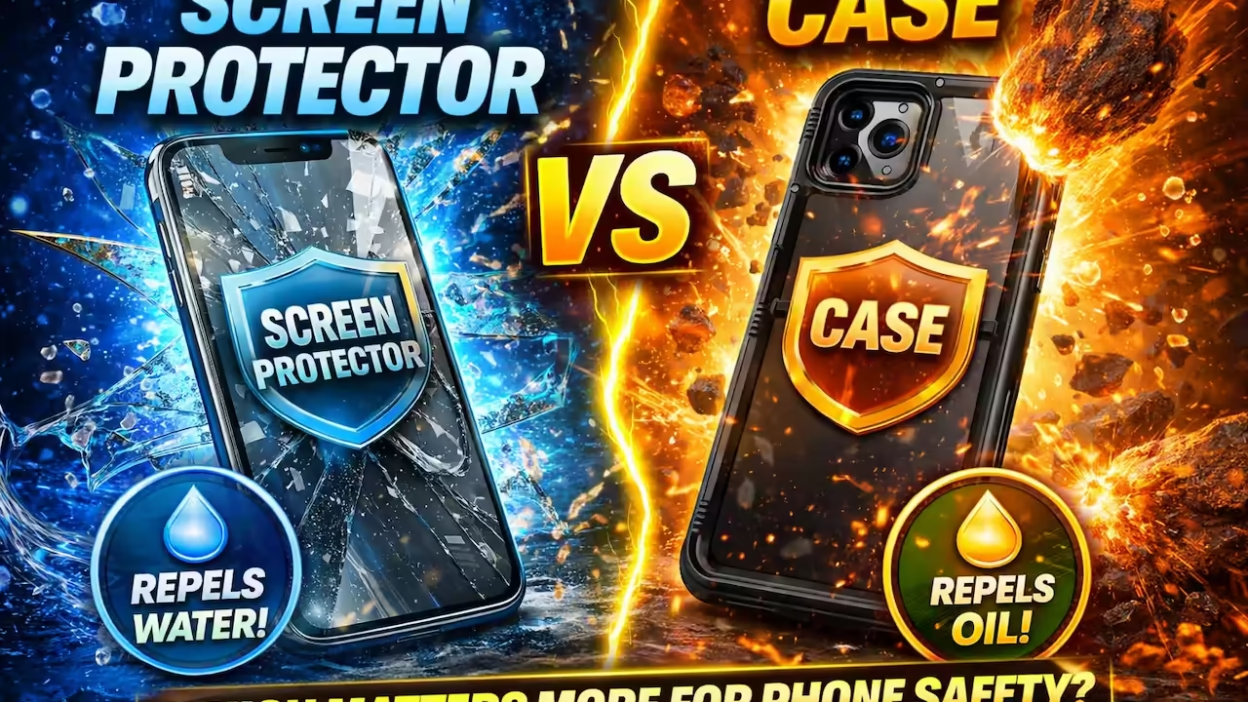
Every smartphone user faces the same question after buying a new device: Should you get a screen protector, a case, or both? This decision matters more than many people think. Our phones are not just tools—they carry memories, work, and personal information. One bad drop or scratch can mean expensive repairs or lost data. The debate between screen protector vs case isn’t just about looks; it’s about real-world protection, usability, and long-term phone health.
This article will give you a clear, complete look at how screen protectors and cases each defend your phone. You’ll find in-depth comparisons, practical advice, and insights that go beyond the basics. If you want to protect your phone wisely—and avoid common mistakes—read on.
What Does A Screen Protector Really Do?
A screen protector is a thin layer, usually made of glass or plastic, that sticks to your phone’s display. Its main job is to guard against scratches, smudges, and sometimes cracks. Many people think a screen protector can save a phone from any fall, but the truth is more nuanced.
Types Of Screen Protectors
- Tempered Glass: These are tough, offer a smooth feel, and protect well against scratches and minor impacts.
- Plastic (PET or TPU): Thinner and more flexible, but less durable than glass. They protect mainly against scratches, not drops.
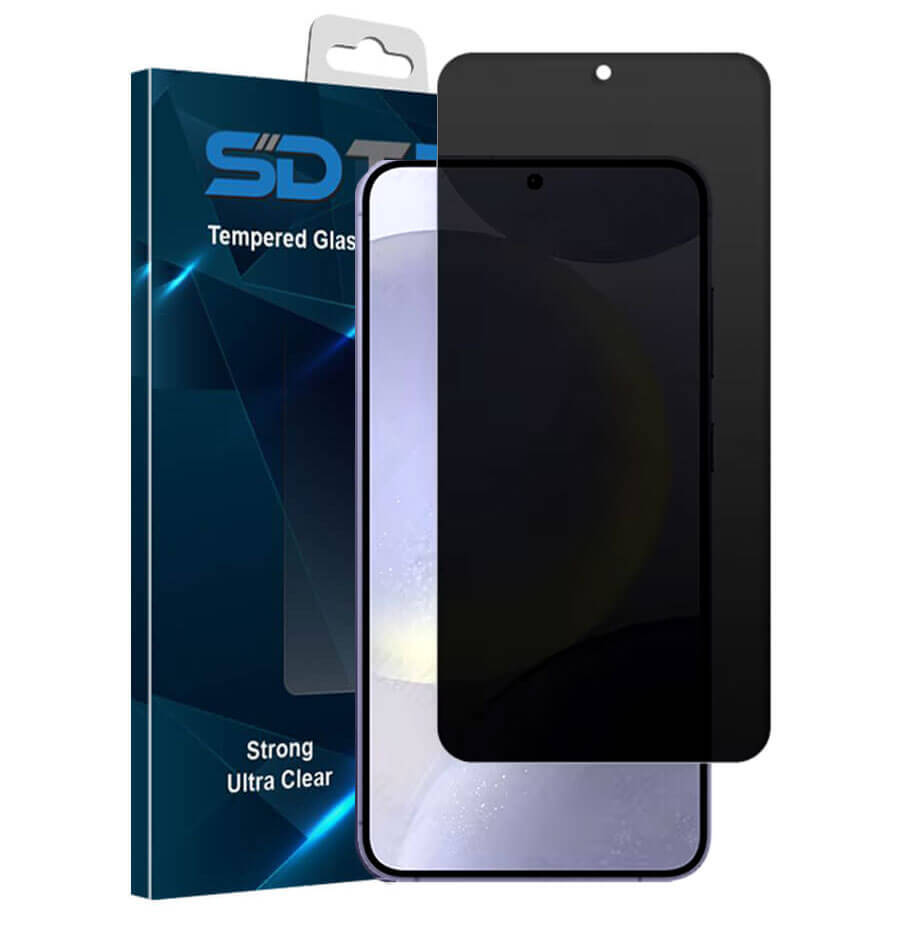
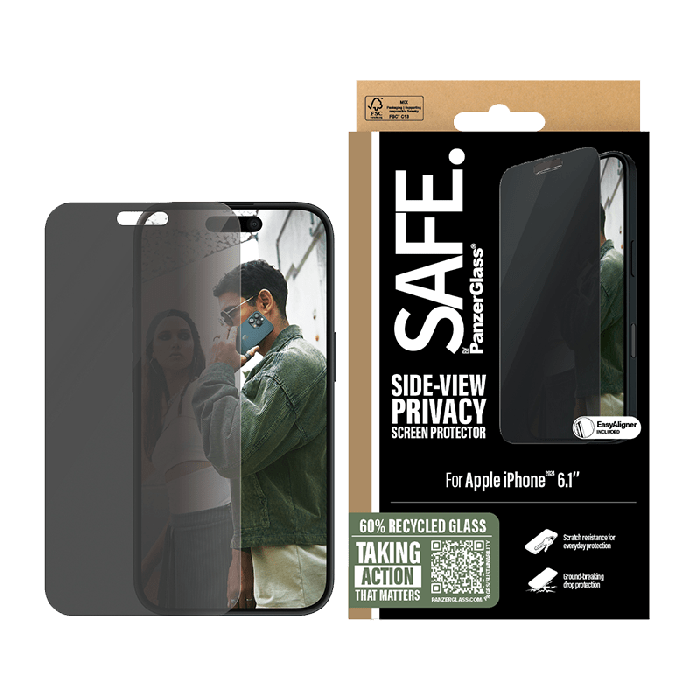
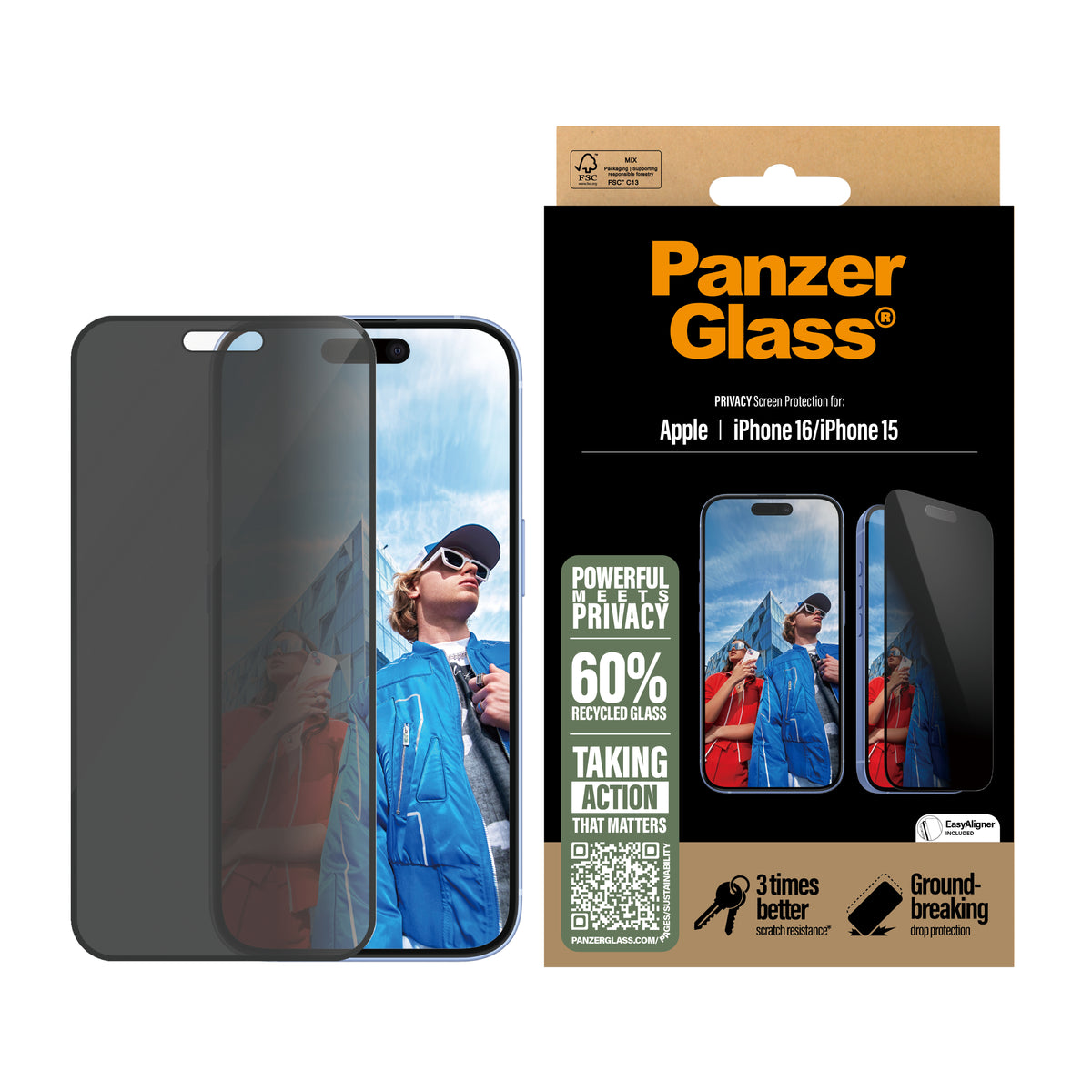
- Privacy Filters: Add a layer that blocks side views, so others can’t easily see your screen.
Real-world Protection
A quality screen protector can stop your keys, coins, or sand from scratching your display. It might even absorb some shock if the phone lands face-down. But, if you drop your phone on a hard surface, the protector might crack before the real screen does.
Don’t expect a thin layer to save your phone from every accident.
Added Benefits
- Fingerprint resistance: Many protectors have coatings that reduce smudges.
- Easy cleaning: Wiping off dust or oil is simpler.
- Privacy: Some stop strangers from viewing your data.
Common Misunderstandings
A screen protector can only do so much. It won’t protect the sides or back of your phone. Also, some users believe that a screen protector can save a phone from high drops. In reality, it’s mainly for surface-level protection.
What Does A Case Do For Your Phone?
A phone case covers the back and sides of your device. Some cases also have raised edges to help protect the screen if the phone lands face-down. Cases come in many shapes, sizes, and materials, each offering different protection levels.
Types Of Phone Cases
- Slim Cases: Thin and light, mainly for scratch and minor bump protection.
- Rugged Cases: Thicker, often with multiple layers, built for heavy drops.
- Wallet Cases: Protect your phone and hold cards or cash.
- Clear Cases: Show off your phone’s design while providing basic defense.
Key Areas Of Protection
A case is the main shield against drops, bumps, and corner impacts. Most damage from falls happens at the corners or edges—places where a case absorbs energy and prevents cracks. Cases also defend against scratches on the back or sides, which can lower the phone’s resale value.
Hidden Benefits
- Grip improvement: Many cases make phones less slippery.
- Camera lens protection: Some have raised edges around the camera.
- Style: You can personalize your device with colors or patterns.
Common Mistakes
Choosing a case just for its look is a frequent error. A stylish but thin case may offer little real protection. Also, some people think a case makes their phone waterproof—this is rarely true unless the case is specifically designed for that purpose.
Screen Protector Vs Case: Key Comparison Factors
Let’s look at the main factors that matter when deciding which to prioritize.
1. Drop Protection
- Case: Essential. Absorbs shock, especially on corners and edges. Prevents cracks from most accidental drops.
- Screen Protector: Limited. May prevent cracks from small drops if the phone lands flat, but not from side or corner impacts.
2. Scratch Resistance
- Screen Protector: Superior. Stops daily scratches from keys, coins, or dust on the display.
- Case: Protects the back and sides, not the screen.
3. Usability And Feel
- Screen Protector: Can sometimes reduce screen clarity or touch sensitivity, especially cheaper models. High-quality glass feels similar to the real screen.
- Case: Adds bulk and may change the grip. Some cases make buttons harder to press.
4. Cost
- Screen Protector: Lower cost. Usually between $5–$30.
- Case: Wider range. Basic cases start at $10; rugged or branded cases can cost $50 or more.
5. Phone Resale Value
- Screen Protector: Keeps the display scratch-free, which is important for resale.
- Case: Prevents dents, cracks, and scratches on the body, which also affects value.
6. Repair Costs
A cracked screen can cost between $100 and $400 to replace, depending on the phone. Back glass repairs are also expensive. Preventing these problems with protection is much cheaper.
Detailed Comparison Table: Case Vs Screen Protector
Here’s a quick side-by-side look at the main differences:
| Feature | Screen Protector | Case |
|---|---|---|
| Drop Protection | Low to Moderate | High (with quality case) |
| Scratch Protection (Screen) | Excellent | None |
| Scratch Protection (Body) | None | Excellent |
| Grip | Unchanged | Improved (usually) |
| Cost | Low | Low to High |
| Style | Minimal | Wide variety |
| Resale Value | Protects screen | Protects body |
Which Matters More: Screen Protector Or Case?
Many phone users want a simple answer. The truth is: a case matters more for most users. Here’s why.
Main Reason: Drop Protection Is Crucial
Most expensive phone repairs are from drops. A cracked screen, broken camera, or shattered back glass usually happen when a phone lands on a hard surface. A case absorbs impact, especially on corners where most breaks start. Even slim cases can make a big difference, but rugged cases offer the best defense.
Exceptions: When Screen Protectors Are Essential
You work in an office. You hardly ever drop your phone but often put it in pockets or bags with other objects. A screen protector might be your main line of defense. For users who value a perfect display for resale, screen protectors are important.
What About Using Both?
The best protection is using both. A case guards against drops and body scratches. A screen protector stops display scratches and adds a little extra drop protection. Many people skip the screen protector thinking their case is enough—until they notice micro-scratches on their display.
Real-world Scenarios
Let’s see how each option performs in everyday situations.
Scenario 1: Commuter Who Drops The Phone
You’re running to catch a bus, and your phone slips out of your hand. It hits the pavement, corner first. In this situation, a case (especially with raised edges) often saves your device from cracks. A screen protector alone will not help much.
Scenario 2: Office Worker With No Case
You rarely drop your phone, but place it face-down on your desk or toss it in a bag with keys. Over time, your screen gathers scratches. Here, a screen protector keeps your display looking new, but your phone is at risk if dropped.
Scenario 3: Active Outdoor User
You hike, bike, or do construction work. Your phone faces dust, rocks, and regular falls. A rugged case is essential, and a screen protector adds an extra shield.
Scenario 4: Photographer Or Reseller
You plan to sell your phone later or care about camera quality. Scratches or cracks, even small ones, lower resale value. Using both a case and screen protector keeps your phone in top shape.
Types Of Damage: What Each Accessory Prevents
To understand which matters more, it helps to know the types of damage phones face.
Common Damage Types
- Shattered Screen: From hard drops, especially on corners or face.
- Scratches: From coins, keys, sand, or dust.
- Dents and Chips: On the phone’s body or edges.
- Camera Lens Scratches: Can ruin photos.
- Water Damage: Most cases and protectors do not help, unless designed for waterproofing.
Which Accessory Helps?
| Damage Type | Screen Protector | Case |
|---|---|---|
| Shattered Screen | Somewhat | Strongly |
| Scratches (Screen) | Strongly | No |
| Scratches (Body) | No | Strongly |
| Dents/Chips | No | Strongly |
| Camera Protection | Sometimes | Yes (with raised edges) |
| Water Damage | No | Rarely (special cases only) |
How To Choose The Right Screen Protector
Not all protectors are equal. Here’s what matters when picking one:
Material
- Tempered glass: Feels like your phone’s real screen and offers better protection.
- Plastic (PET/TPU): Less durable, but cheaper and thinner.
Thickness
Most tempered glass protectors are about 0. 3mm thick. Thicker protectors may offer more strength but can affect touch sensitivity.
Coverage
Some protect only the flat part of the screen, leaving edges unprotected. Full-coverage protectors are better for curved screens.
Oleophobic Coating
This special layer resists fingerprints and smudges. Without it, your screen gets greasy quickly.
Installation
Some protectors are hard to apply without bubbles. Look for kits with alignment tools.
Non-obvious Insight
Some screen protectors interfere with fingerprint sensors or face recognition. Always check compatibility before buying.
How To Choose The Right Case
A good case balances protection, usability, and style. Here’s what to look for:
Protection Level
- Rugged cases: Offer the best drop protection but add bulk.
- Slim cases: Maintain the phone’s shape but protect less.
Material
- Silicone or TPU: Flexible and shock-absorbent.
- Hard plastic: Good for scratches but less shock absorption.
- Hybrid: Combines both materials for better protection.
Raised Edges
Cases with raised lips around the screen and camera offer better protection from face-down drops.
Grip
A slippery case increases drop risk. Look for textured or rubberized surfaces.
Wireless Charging
Some thick cases block wireless charging. If you use this feature, check compatibility.
Non-obvious Insight
Some cases trap heat, making your phone warmer. If you game or stream often, look for cases with airflow or heat vents.
Myths And Misconceptions About Phone Protection
Many people believe myths that can lead to poor protection choices. Let’s clear up a few common ones.
Myth 1: Tempered Glass Protectors Make Your Phone Unbreakable
Even the best glass protector can’t stop all cracks from a hard drop. They mainly prevent scratches and small chips.
Myth 2: All Cases Offer The Same Protection
A $5 thin plastic case is not the same as a well-designed rugged case. Materials, thickness, and design matter a lot.
Myth 3: Screen Protectors Harm Touch Sensitivity
Modern glass protectors are so thin and clear that most users notice no difference. Problems usually come from poor-quality products.
Myth 4: Expensive Means Best
Some expensive cases or protectors are mostly about style, not performance. Always check real reviews and protection ratings.
Myth 5: You Don’t Need A Screen Protector With Gorilla Glass
Gorilla Glass is tough, but it’s not scratch-proof. Sand and hard particles can still mark your screen.
The Cost Of Not Protecting Your Phone
Many users skip protection, believing careful use is enough. But accidents happen to everyone. Here’s why it’s risky to go without.
Repair Costs
- Screen replacement: $100–$400 for most modern phones.
- Back glass repair: $80–$350.
- Camera repair: $50–$200.
Lost Data
Some breaks make phones unusable, risking lost photos, contacts, or work files.
Lower Resale Value
A scratched or cracked phone can lose 20–50% of its resale price.
Popular Brands And What Makes Them Stand Out
Choosing a reliable brand reduces the risk of buying low-quality protection.
Screen Protectors
- ZAGG: Known for tough glass and easy installation.
- AmFilm: Good value and clear glass.
- Spigen: Offers both cases and protectors with a focus on fit.
Cases
- OtterBox: Famous for rugged, high-protection cases.
- Spigen: Mixes style and protection at a fair price.
- Speck: Good grip and drop-tested designs.
Buying from a trusted brand usually means better fit, real protection, and reliable support.
Environmental Impact: Are Cases And Protectors Bad For The Planet?
Phone accessories often use plastic, which can be harmful. Some brands now offer biodegradable cases or use recycled materials. If you care about the planet, look for eco-friendly options or brands that offset their impact.
Should You Ever Go Without Protection?
Some people like the original feel or look of their phone. If you never drop your device, keep it away from hard objects, and don’t mind resale value, you might go without. But for most users, even a simple case or protector is cheap insurance.
A Practical Guide: Which Should You Buy First?
If you can only get one, start with a case. It covers the most common and expensive risks—drops and corner impacts. Add a screen protector as soon as possible for scratch defense.
If you can afford both, use both. This is the only way to protect your device from almost all everyday damage.
Data From Real Users
Studies and user surveys show that:
- 72% of smartphone users have dropped their phone at least once in the past year.
- 38% of all smartphone repairs are for cracked screens.
- Users who use both a case and screen protector report 60% fewer repairs than those who use neither.
For more data, check this Consumer Reports analysis.
Frequently Asked Questions
What Is More Important: A Screen Protector Or A Case?
A case is usually more important because it protects against drops, which are the main cause of expensive phone repairs. A screen protector is key for scratch prevention but offers less drop protection.
Can I Use A Case Without A Screen Protector?
Yes, but your screen will be exposed to scratches from daily use. For the best protection, use both.
Do Screen Protectors Affect Screen Quality Or Touch?
High-quality glass protectors usually do not affect clarity or sensitivity. Cheap or thick protectors might, so choose carefully.
Are Expensive Cases And Protectors Worth It?
Not always. Some expensive options focus more on looks than protection. Check reviews, materials, and real drop-test ratings before buying.
How Often Should I Replace My Screen Protector Or Case?
Replace your screen protector if it cracks or peels. Replace your case if it breaks, loosens, or no longer fits well. Most users change them every 1–2 years or after big drops.
—
Choosing between a screen protector and a case comes down to your lifestyle and how you use your phone. For most people, a case offers the most crucial defense against accidents. But don’t ignore the small, slow damage from scratches—using both together is the smartest strategy. Protecting your phone isn’t just about looks; it’s about saving money, stress, and your digital life.


