
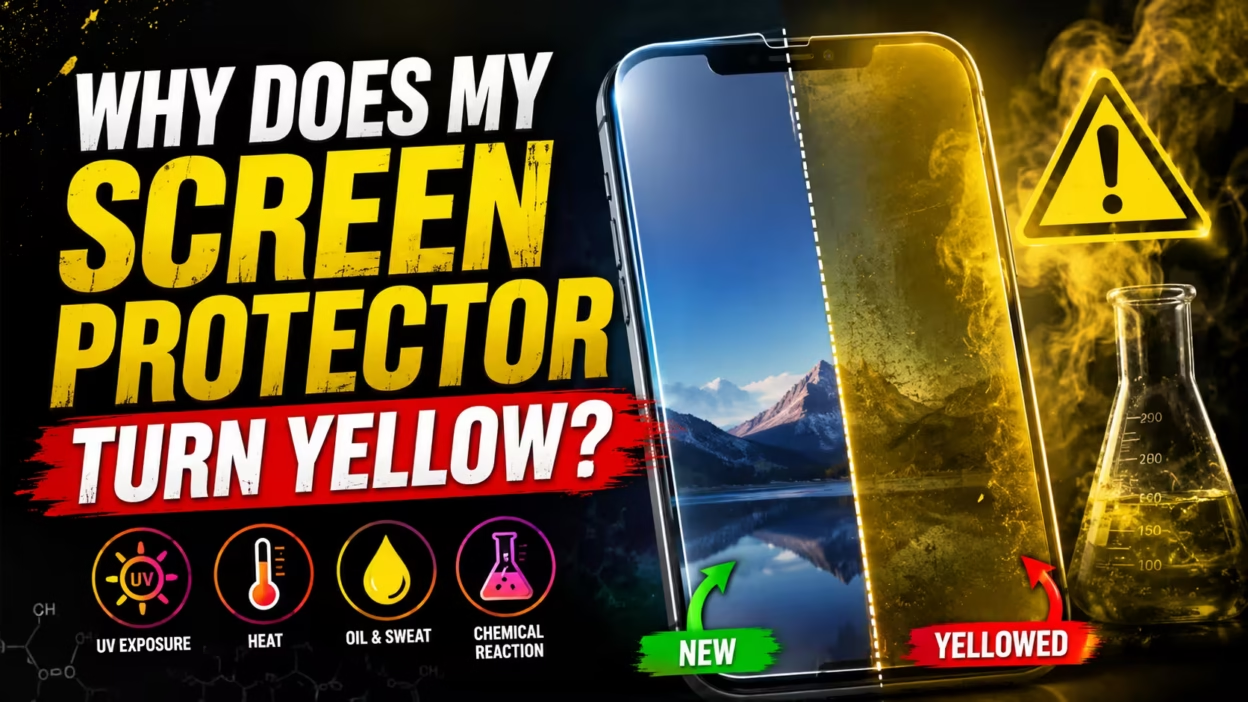

Ever seen your phone screen turn a weird yellow color? It’s a common problem for many. You might wonder, why does my screen protector turn yellow after a few months.
This yellowing isn’t usually from dirt or bad cleaning. It’s often because of a chemical reaction in the materials. Knowing this helps you understand how long your screen protector will last.
Many ask why did my phone screen protector turn yellow even though they took good care of it. The main reason is UV light and skin oils. Knowing these causes helps you choose better screen protectors in the future.
Key Takeaways
- Discoloration is mainly from oxidation and UV light.
- Materials like TPU age faster due to their chemical makeup.
- Touching your screen with oils and sweat makes it yellow faster.
- Using high-quality tempered glass can prevent this problem.
- Cleaning your screen right can keep it clear longer.
The Science Behind Screen Protector Discoloration
Scientific principles explain why screen protector yellowing causes are often unavoidable in everyday materials. It’s not just dirt or grime. The complex behavior of synthetic materials is the real reason. This understanding helps us see why even the best accessories can lose their clarity over time.
Chemical composition of plastic polymers
Most flexible screen protectors are made from Thermoplastic Polyurethane, or TPU. This material is great for its flexibility and impact resistance. But, it has a chemical instability that can’t be avoided.
The long molecular chains in these polymers are sensitive to environmental stressors. This can cause them to break down over time.
“Chemistry is the study of matter, but I prefer to see it as the study of change. Electrons are constantly moving, and materials are always reacting to their surroundings.”
— Anonymous Scientist
As these polymers age, their chemical bonds start to shift and rearrange. This is a key screen protector discoloration cause. The material’s porosity at a microscopic level makes it vulnerable to external elements that speed up this degradation.
How oxidation affects transparency
Oxidation is a major factor in screen protector degradation. When oxygen molecules meet the polymer chains, they start a chemical reaction. This reaction changes how light passes through, causing the material to yellow.
This change is deep within the plastic. Once oxidation starts, it’s hard to reverse. It’s a permanent chemical shift. Knowing these screen protector discoloration causes helps users choose more durable materials for their devices.
Why does my screen protector turn yellow

Many people wonder, “Why does my screen protector turn yellow?” after a few months. It’s a common problem that can be frustrating. You expect your phone to stay clear and shiny.
When your screen protector yellow after a few months, it means it’s reacting to its surroundings. This change happens slowly but can show up quickly.
The natural aging process of TPU materials
The main reason is the material’s chemical makeup. A TPU screen protector turning yellow is due to its breakdown over time. These materials are flexible and protect well but are sensitive to the environment.
So, how long before screen protector turns yellow? It usually starts in three to six months. This depends on how often you use it and how much light it gets. The material absorbs things around it, changing its color over time.
Distinguishing between surface stains and internal yellowing
Not all clear screen protector yellow tint means it’s failing. It’s key to tell if it’s just a stain or if it’s really damaged. Surface stains come from oils, makeup, or hand sanitizer residue.
You can try cleaning it with a microfiber cloth and a bit of screen-safe cleaner. If the yellow stays after cleaning, it’s internal. The TPU’s chemical makeup has changed, and cleaning won’t fix it.
Material Comparison: TPU vs. Tempered Glass

Choosing the right screen protector is key to keeping your screen clear. Knowing the difference between tempered glass vs plastic screen protector is important. It helps keep your device looking new.
Why plastic screen protectors are prone to yellowing
Flexible plastic protectors, made from Thermoplastic Polyurethane (TPU), are cheap but prone to yellowing. This happens because they are porous and react to oxygen and pollutants.
As time goes by, the plastic’s molecular chains break down. This loss of structure leads to a yellowish tint.
The durability and clarity of tempered glass
Tempered glass is a better choice for mobile users. It resists scratches and keeps light transmission high. This means your screen protector does not affect display color or sharpness.
Glass doesn’t age like plastic does. It’s a better choice for those who want their screen to look good for a long time.
Does tempered glass ever turn yellow?
Tempered glass itself doesn’t usually turn yellow. But, you might wonder, “Why is my tempered glass screen protector yellow?” Often, the yellowing comes from the adhesive layer, not the glass.
Also, blue light filter screen protectors might have a yellowish tint. This is by design, not a sign of failure.
| Feature | TPU Plastic | Tempered Glass |
|---|---|---|
| Clarity | Moderate (Fades over time) | High (Stays clear) |
| Yellowing Risk | High | Very Low |
| Durability | Soft/Flexible | Hard/Rigid |
| Cost | Inexpensive | Premium |
Environmental Factors and UV Exposure

Your device’s screen protector battles invisible forces every time you go outside. Many focus on scratches or cracks, but light exposure is often overlooked. It’s common for a screen protector to yellow from sunlight when exposed to the outdoors for a long time.
The impact of direct sunlight on screen protector integrity
Direct sunlight is tough on the polymers in most screen guards. When exposed to strong solar radiation, the material weakens over time. This makes the film more prone to damage from the environment.
How UV radiation accelerates the yellowing process
Ultraviolet radiation breaks down plastic polymers. UV rays cause photo-oxidation, breaking down the polymer chains. This is the main reason for screen protector uv damage yellowing, turning clear films yellow.
The sun’s strength in your area affects how fast this happens. People in sunny places like high-altitude areas or near the equator see changes faster. Without screen protector uv protection, the material loses clarity, hiding your display’s colors.
Tips for outdoor use and device storage
For outdoor use, keep your device in the shade or a bag when not in use. This simple step prevents direct sun exposure and keeps your screen looking good.
Choose a screen protector for outdoor use with anti-UV coatings. These coatings reflect harmful radiation, protecting the polymer base. By controlling these factors, you can make your screen protector last longer and keep your display sharp.
The Role of Skin Oils and Chemical Reactions

Keeping your screen looking good is more than just using a good protector. It’s about knowing how things outside affect your device. Your daily actions can greatly affect how long your screen guard lasts. By controlling these unseen interactions, you can make your screen guard last longer.
How daily handling contributes to discoloration
Every time you touch your phone, you put oils and tiny particles on it. These oils build up and attract dust and dirt. This buildup is a main reason for screen protector skin oils damage, as oils can get into the material.
Once oils get into the material, they can turn yellow. This happens slowly, so you might not see it until it’s really bad. Cleaning your phone regularly can help slow down this aging process.
Interaction between screen protectors and hand lotions or sanitizers
Today, we use hand sanitizers, lotions, and sunscreens a lot. These products can harm the material of your screen. When they touch your screen, they can make it cloudy or yellow.
“The longevity of a screen protector is often determined by the environment it inhabits, including the chemical residues we unknowingly introduce through daily contact.”
Being careful about what’s on your hands before touching your phone is key. If you use hand sanitizer, wait until it’s dry before touching your screen. This simple step is a great way to keep your screen protector in good shape.
Cleaning habits that prevent premature aging
To keep your phone looking new, you need to clean it regularly. Using the right tools is as important as how often you clean. Avoid using strong cleaners, as they can damage the screen.
- Use a clean, dry microfiber cloth to wipe the screen daily.
- Apply a small amount of screen-safe cleaning solution if oils are stubborn.
- Wash your hands regularly to minimize the transfer of lotions and natural oils.
The table below shows how different things can affect your screen protector:
| Substance | Impact Level | Recommended Action |
|---|---|---|
| Natural Skin Oils | Moderate | Daily microfiber wipe |
| Hand Sanitizer | High | Dry hands before use |
| Hand Lotion | High | Avoid direct contact |
| Dust and Lint | Low | Gentle air dusting |
By following these tips, you can effectively prevent your screen protector from yellowing. Regular care is the best way to keep your screen clear and working well for a long time.
Identifying Signs of Adhesive Degradation
Many people focus on the film of the screen protector. But, the adhesive layer is key to why your screen looks cloudy. Over time, screen protector adhesive yellowing can happen. This is because the chemicals that stick the film to your glass break down.
Why the adhesive layer turns yellow over time
The adhesive is made of silicone or acrylic polymers. These materials can be affected by heat, humidity, and oils from your skin. This can cause the glue to change, leading to a noticeable yellow tint between the protector and your screen.
Distinguishing adhesive failure from material yellowing
It’s important to tell the difference between the film aging and the glue failing. If you see screen protector peeling discoloration, it means the adhesive is losing its hold. This lets dust and moisture get under the protector. Unlike the film’s yellowing, adhesive failure shows up as spots, bubbles, or uneven patches.
When to replace your screen protector for optimal display quality
Deciding when to replace your screen protector depends on how bad the problems are. If you’re trying to fix screen protector yellow spots, cleaning won’t work because the problem is under the protector. The best way to get your device looking clear and touch-sensitive again is to follow a screen protector replacement guide.
| Feature | Material Yellowing | Adhesive Failure |
|---|---|---|
| Appearance | Uniform tint across film | Localized spots or bubbles |
| Cause | UV exposure and oxidation | Heat, moisture, or aging |
| Fixability | None (requires replacement) | None (requires replacement) |
| Impact | Reduced color accuracy | Touch sensitivity issues |
Can You Fix a Yellowed Screen Protector?
Looking for a quick screen protector turning yellow fix? You might be out of luck. Many think a yellow tint is just dirt that can be cleaned off. But, it’s usually a permanent change in the material’s structure.
Why cleaning methods often fail to reverse yellowing
Searching for how to fix yellow screen protector issues? You’ll find many DIY tips. But, baking soda, vinegar, or bleach won’t work. The yellowing is deep inside the plastic.
Scrubbing or cleaning the surface won’t fix it. It’s a chemical change inside the material. Trying to clean it off can be frustrating and won’t improve your screen’s clarity.
The risks of using harsh chemicals on screen protectors
Using strong cleaners for a plastic screen protector yellowing fix can harm it more. Modern protectors have a special coating to repel oils and fingerprints. But, harsh chemicals can remove this coating.
Without the coating, your screen gets smudges and streaks easily. Also, trying hard to fix it can damage the adhesive. This can ruin your phone’s look and make it less sensitive to touch.
When it is time to invest in a replacement
Having trouble with a clear phone screen protector yellow tint fix? It might be time to get a new one. Once it’s yellow, it’s lost its protection and strength.
Getting a new, good-quality protector is safer than risking your phone’s screen. A new one will give you clear views, better touch, and more protection. Replacing your screen protector is worth it to keep your phone looking and working great.
How to Choose a Non-Yellowing Screen Protector
If your device looks dingy, it’s time for a change. Learning how to choose a screen protector that stays clear is key. Look beyond the price and focus on the material science. This screen protector buying guide usa will help keep your display looking new for years.
Key features to look for in high-quality protectors
When searching for a high quality clear screen protector, choose tempered glass over plastic. Glass resists oxidation, which causes yellowing in cheaper materials. An anti-yellowing screen protector brand should mention oleophobic coatings to repel oils and sweat.
- Tempered Glass: Offers superior clarity and scratch resistance.
- Oleophobic Coating: Reduces fingerprint buildup and chemical reactions.
- UV-Resistant Layers: Prevents the material from breaking down under sunlight.
Comparing top brands like Spigen and Zagg
Many fear a Zagg screen protector turning yellow. But, top brands like Spigen use advanced manufacturing for better longevity. A Spigen screen protector review shows their glass stays clear even after months of use. Both brands focus on research to prevent adhesives from degrading or discoloring.
“Choosing the right screen protection is the most effective way to maintain the resale value and visual clarity of your smartphone.”
— Tech Accessory Expert
Buying guide for iPhone and Samsung Galaxy users
For the best screen protector for iphone 2025, look for edge-to-edge coverage to prevent dust. For Samsung Galaxy users, ensure the glass works with ultrasonic fingerprint sensors. Find the best tempered glass screen protector amazon by filtering for customer photos showing long-term clarity.
Always check the product description for anti-yellowing certifications. Investing in a reputable brand is worth it for a screen that stays crystal clear throughout your phone’s life.
Conclusion
Knowing why screen protectors change color helps you take better care of your phone. Things like the material, UV rays, and how you use your phone can cause them to fade. Now, you can tell when it’s time to get a new one.
Choosing tempered glass from brands like Spigen or Zagg is a smart move. It lasts longer and doesn’t turn yellow like regular films. This keeps your phone’s screen looking great for a long time.
Keeping your phone clean is key to making your screen protector last. Clean it every day to get rid of oils and chemicals. If it starts to yellow or fall off, it’s time for a new one.
What you choose affects how long your phone gear lasts. Use this knowledge to pick products that can handle daily wear and tear. Share your experiences to help others keep their screens looking new.
FAQ
Why does my screen protector turn yellow after only a few months of use?
The main reason for yellowing is a chemical reaction with the environment. Most protectors are made of Thermoplastic Polyurethane (TPU). This material ages naturally. Oxidation and exposure to heat or moisture speed up this aging.
Can I find a permanent screen protector turning yellow fix?
Unfortunately, there’s no way to reverse yellowing because it’s at a molecular level. Cleaning can remove surface dirt, but the yellowing inside is permanent. Replacing the film with a new, high-quality clear screen protector is the best solution.
Why is my tempered glass screen protector yellow if glass doesn’t oxidize?
The yellowing is often due to the adhesive, not the glass. The adhesive can break down over time. Cheap tempered glass may also use low-quality coatings that react to UV damage.
How does screen protector uv damage yellowing actually happen?
UV radiation from the sun causes TPU protectors to break down. This leads to a yellow or tea-colored hue. To prevent this, limit your device’s exposure to direct sunlight.
Does screen protector skin oils damage contribute to the discoloration?
Yes, oils from your skin and hand lotions can damage the protector. These substances can penetrate the surface over time. Regular cleaning can help maintain the protector’s clarity.
In the tempered glass vs plastic screen protector debate, which stays clear longer?
Tempered glass is better for long-term clarity. It doesn’t oxidize like plastic or TPU. High-end glass options from brands like Zagg or Spigen stay clear for the device’s life.
What should I look for in a screen protector buying guide for 2025?
Look for UV protection and anti-yellowing technology. Choose brands that use Aliphatic TPU or chemically strengthened glass. Reviews can help find products known for clarity.
How often to replace screen protector to ensure the best display quality?
Replace every 6 to 12 months or when you notice discoloration. Visible yellowing or peeling means it’s time for a new one. This keeps your display sharp and protected.
Why did my phone screen protector turn yellow around the edges first?
Yellowing starts at the edges due to adhesive exposure. Dust and oils accumulate here, causing faster oxidation. This indicates the bond is failing.
Does a yellowed screen protector affect display color and touch sensitivity?
Yes, it changes the screen’s color temperature. This makes whites look dingy and colors muted. It may also make the screen feel sticky over time.


